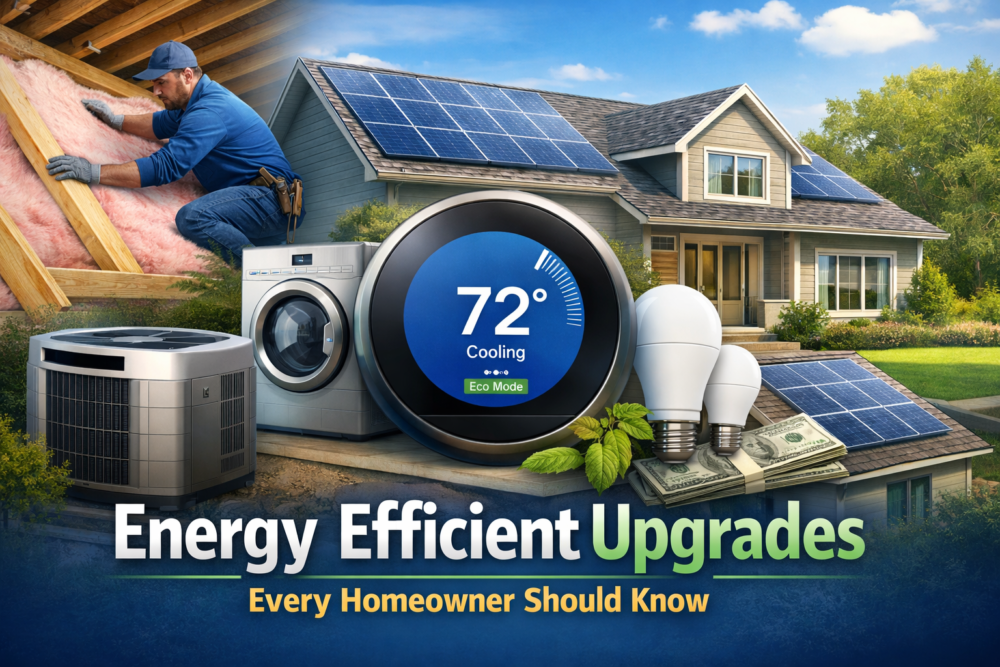
Improving energy efficiency is one of the smartest upgrades a homeowner can make. It reduces electricity bills, increases comfort, and can even raise property value. With rising energy costs and growing environmental awareness, more homeowners are focusing on improvements that help their homes use less energy while maintaining the same level of comfort.
Energy-efficient upgrades range from simple fixes like sealing air leaks to larger investments such as solar panels or high-efficiency HVAC systems. The good news is that many upgrades pay for themselves over time through lower utility bills. Below are some of the most practical and effective energy-efficient improvements homeowners should consider.
1. Upgrade to Energy-Efficient Windows
Windows play a major role in a home’s energy efficiency. Older windows often allow heat to escape during winter and let excessive heat enter during summer. This forces heating and cooling systems to work harder, increasing energy consumption.
Modern energy-efficient windows are designed with features such as double or triple glazing, insulated frames, and low-emissivity (Low-E) coatings. These technologies help regulate indoor temperature by minimizing heat transfer.
Benefits of upgrading windows include:
- Lower heating and cooling costs
- Improved indoor comfort
- Reduced outside noise
- Better natural lighting
If replacing all windows is not feasible, homeowners can still improve efficiency by installing weather stripping, window films, or thermal curtains.
2. Improve Home Insulation
Insulation is one of the most important elements of an energy-efficient home. Proper insulation helps maintain indoor temperature by slowing down heat transfer between the inside and outside of the house.
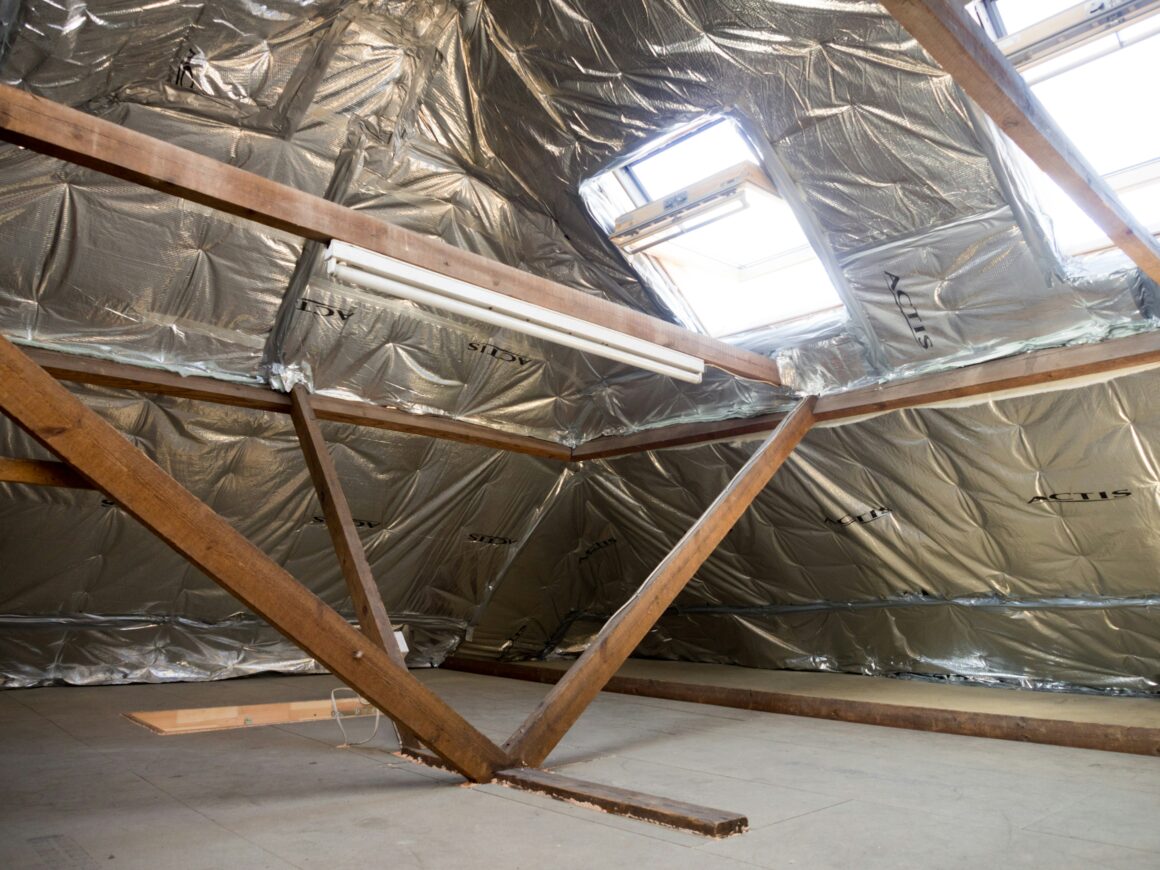
Many homes, especially older ones, have insufficient insulation in key areas such as:
- Attics
- Walls
- Floors
- Basements
- Crawl spaces
Adding insulation in these areas can significantly reduce heating and cooling energy usage. In fact, improving attic insulation alone can lower energy costs by a noticeable margin in many homes.
Common insulation materials include fiberglass, cellulose, mineral wool, and spray foam. Each has its advantages depending on the location and climate. A professional energy audit can help determine where insulation improvements will provide the biggest benefit.
3. Install a High-Efficiency HVAC System
Heating and cooling systems typically account for the largest portion of household energy consumption. Older HVAC systems tend to use significantly more electricity than modern high-efficiency models.
Upgrading to an energy-efficient HVAC system can dramatically reduce energy use while maintaining better temperature control throughout the home.
Some options include:
- High-efficiency central air conditioners
- Energy-efficient furnaces
- Heat pump systems
- Variable-speed HVAC systems
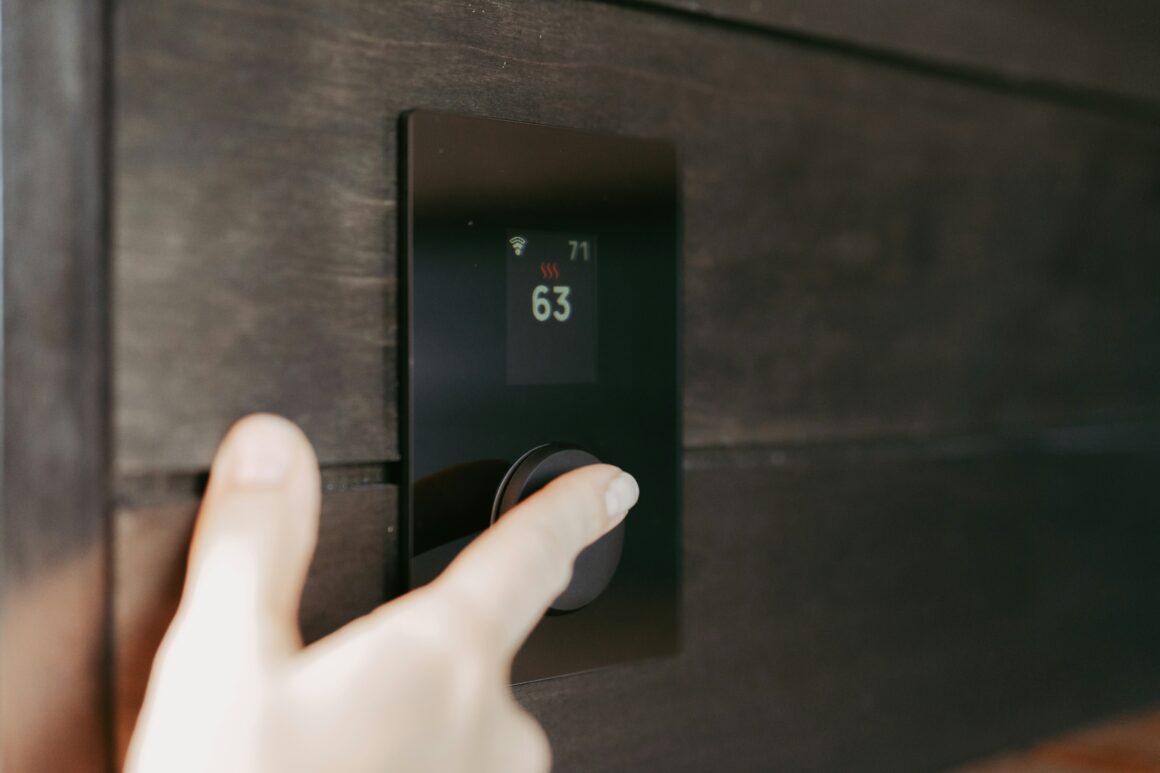
Pairing the system with a smart thermostat adds another layer of efficiency. Smart thermostats automatically adjust temperature settings based on schedules and occupancy, ensuring energy is not wasted when the house is empty.
Regular maintenance such as cleaning filters and servicing equipment also keeps systems operating efficiently.
4. Switch to LED Lighting
Lighting upgrades are one of the easiest and most affordable ways to improve home energy efficiency. Traditional incandescent bulbs waste most of their energy as heat, while LED bulbs convert most of their energy into light.
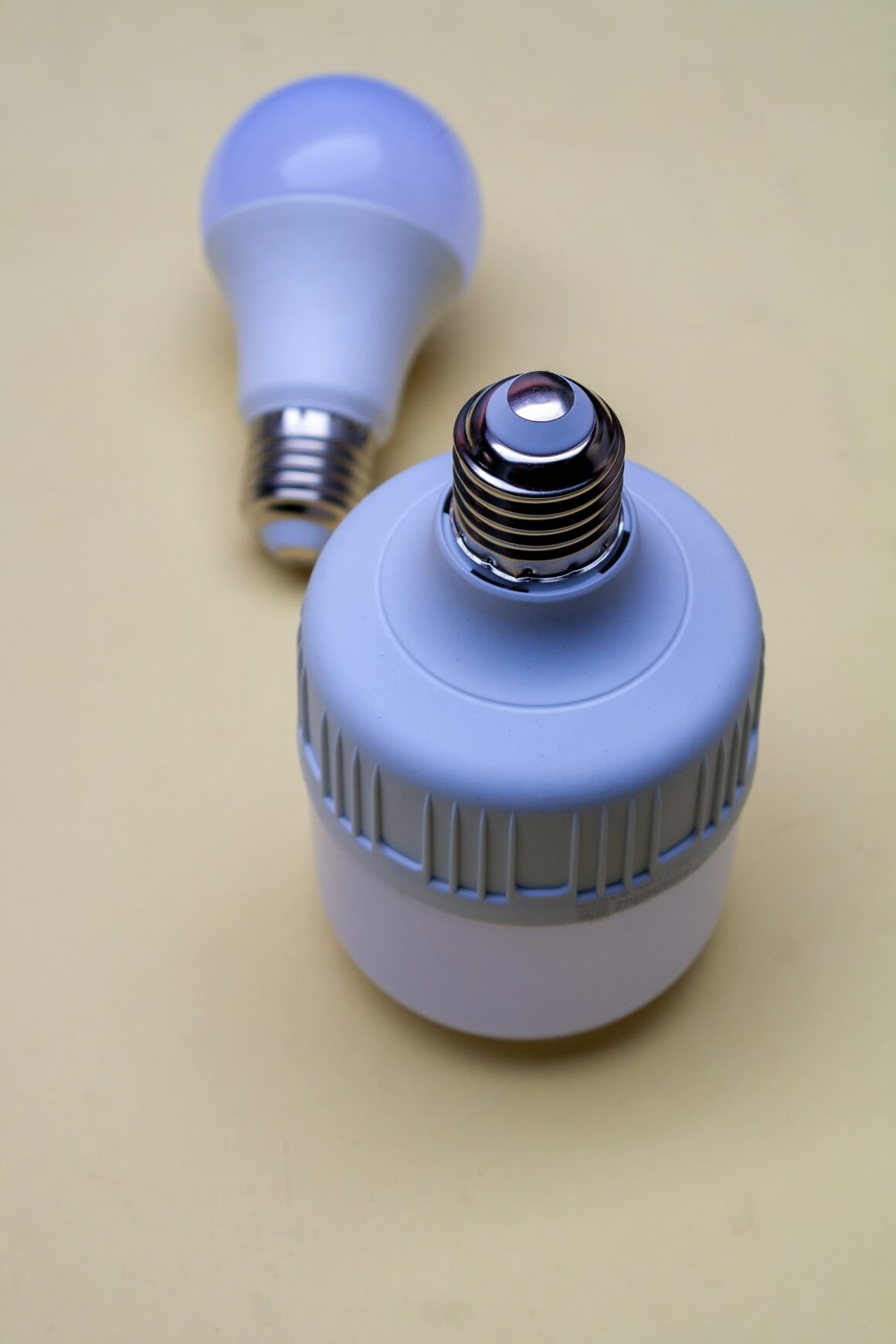
LED lighting offers several advantages:
- Uses up to 75–80% less energy
- Lasts significantly longer than traditional bulbs
- Produces less heat
- Available in many brightness and color options
Replacing bulbs in frequently used areas such as kitchens, living rooms, and outdoor lighting can quickly reduce electricity usage. Smart lighting systems that allow remote control and scheduling can further improve efficiency.
5. Install Solar Panels
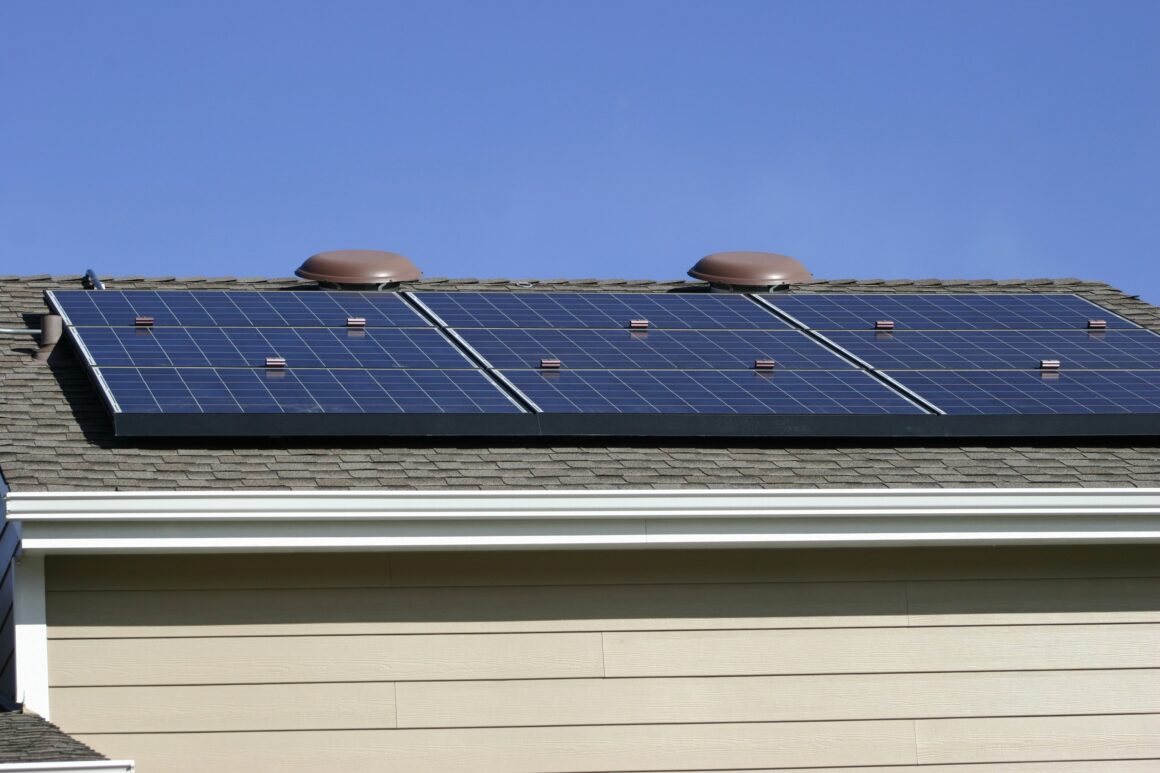
Solar panels allow homeowners to generate their own electricity using sunlight. While the upfront cost can be significant, solar systems can provide long-term savings and reduce reliance on traditional energy sources.
Solar panels work by converting sunlight into electricity through photovoltaic cells. This electricity can power appliances, lighting, and heating systems in the home.
Advantages of installing solar panels include:
- Lower electricity bills
- Reduced carbon footprint
- Increased property value
- Potential government incentives or rebates
In many cases, excess electricity produced by solar panels can be sent back to the power grid, providing additional savings.
6. Upgrade to Energy-Efficient Appliances
Household appliances such as refrigerators, washing machines, and dishwashers consume a considerable amount of electricity. Older appliances tend to be far less efficient than modern models.
Energy-efficient appliances are designed to use less electricity and water without sacrificing performance.
Some upgrades worth considering include:
- High-efficiency refrigerators
- Front-load washing machines
- Energy-saving dishwashers
- Induction cooktops
These appliances not only lower energy consumption but also reduce water usage in many cases.
7. Seal Air Leaks and Improve Ventilation
Even well-insulated homes can lose energy through small air leaks around doors, windows, and utility openings. These leaks allow conditioned air to escape while letting outdoor air enter.
Common areas where leaks occur include:
- Door frames
- Window edges
- Attic hatches
- Electrical outlets
- Plumbing openings
Sealing these gaps with caulking or weather stripping can improve efficiency and indoor comfort. Proper ventilation systems also help maintain healthy indoor air quality while preventing excess humidity.
Final Thoughts
Energy-efficient upgrades are not just about saving money on electricity bills. They also improve comfort, increase home value, and reduce environmental impact. Many homeowners start with small improvements such as LED lighting and air sealing, then gradually move toward larger upgrades like insulation improvements or solar power systems.
The best approach is often to combine several upgrades. When windows, insulation, HVAC systems, and appliances all work efficiently together, the result is a home that consumes less energy while providing better comfort year-round.
Investing in energy efficiency today can deliver benefits for decades, making it one of the most valuable improvements any homeowner can make.
Frequently Asked Questions
Switching to LED lighting and sealing air leaks are usually the most affordable upgrades with immediate results. These improvements require minimal investment but can noticeably reduce energy consumption.
Yes. Homes with energy-efficient features such as solar panels, efficient HVAC systems, and modern insulation often attract more buyers and can sell at higher prices.
Savings vary depending on the upgrades made, but many homeowners see reductions of approx 20–40 percent in energy costs when multiple efficiency improvements are implemented.
Solar panels can be a worthwhile investment in areas with good sunlight exposure and supportive energy policies. Over time, the savings on electricity bills can offset the installation cost.
A professional home energy audit is the best way to identify areas where energy is being wasted. The audit provides recommendations on the most effective upgrades for your specific home.