In 2026, the idea of “home” is being redefined. It’s no longer just a place to sleep, eat, and unwind—it’s becoming a living ecosystem, powered by technology that not only makes life easier but also helps protect the planet. Rising energy costs, climate change concerns, and a growing demand for healthier lifestyles have pushed eco-smart living from a niche concept into the mainstream.
This shift is about more than gadgets—it’s about creating homes and communities that are sustainable, efficient, and deeply human-centered. Let’s explore how eco-smart living is transforming everyday life in 2026.
Why Eco-Smart Living Matters in 2026
Climate change is no longer a distant threat—it’s a lived reality. Extreme weather events, rising energy bills, and resource scarcity have made sustainability a necessity. By 2026, eco-smart living is not just about saving money; it’s about future-proofing our lives.
- Energy savings: Smart systems reduce waste and optimize consumption.
- Environmental impact: Homes generate less carbon, conserve water, and use renewable energy.
- Health benefits: Cleaner air, better lighting, and eco-friendly materials improve well-being.
Eco-smart living is about aligning comfort with conscience.
Smart Energy Solutions for Modern Homes
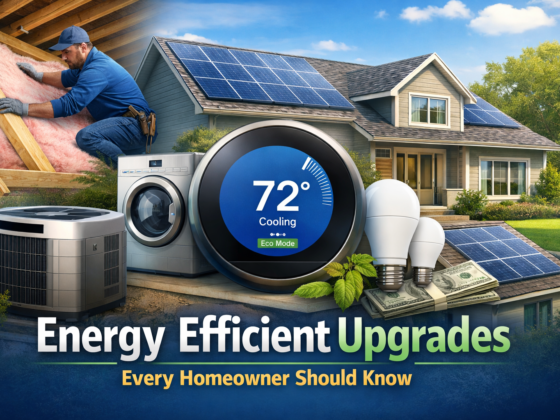
One of the biggest breakthroughs in 2026 is the rise of energy-efficient ecosystems. Homes are no longer passive consumers of electricity—they’re active participants in the energy grid.
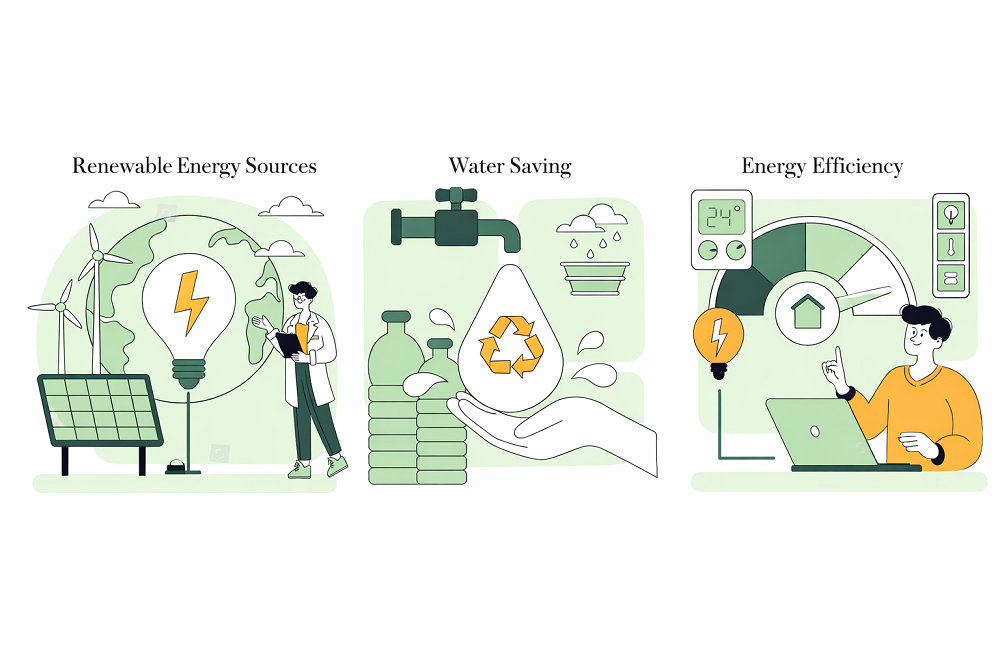
- Solar + Storage: Affordable solar panels paired with home batteries allow households to generate and store renewable energy.
- Smart Grids: AI-powered grids balance supply and demand, automatically shifting heavy appliance use to off-peak hours.
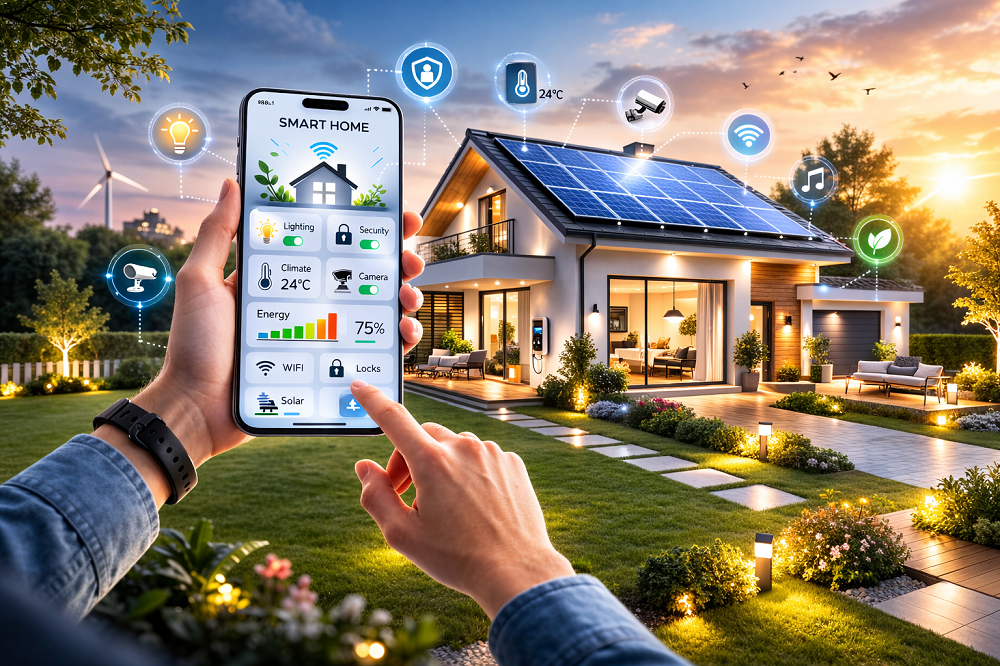
- Energy Monitoring: Apps track real-time consumption, nudging residents toward greener habits.
This shift means homes can cut energy bills by up to 30% while reducing reliance on fossil fuels.
Water Conservation Through Smart Technology
Water scarcity is a growing challenge, and eco-smart homes are tackling it head-on.
- Greywater recycling: Systems reuse water from sinks and showers for irrigation.
- Smart irrigation: AI-driven sprinklers adjust watering schedules based on weather forecasts.
- Leak detection sensors: Homes now alert residents instantly when pipes waste water.
These innovations ensure that every drop counts, making homes more resilient in water-stressed regions.
Eco-Friendly Building Materials and Architecture
Sustainability starts with construction. In 2026, eco-smart living emphasizes green architecture:
- Recycled materials: Reclaimed wood, recycled steel, and eco-concrete reduce environmental impact.
- Advanced insulation: Keeps homes cooler in summer and warmer in winter, cutting energy use.
- Low-VOC paints & finishes: Improve indoor air quality and reduce harmful emissions.
Builders are increasingly adopting these materials, making eco-smart homes healthier and more durable.

Smart Gadgets with a Green Twist
Eco-tech gadgets are no longer luxuries—they’re necessities. In 2026, homes are filled with devices designed to save energy and reduce waste:
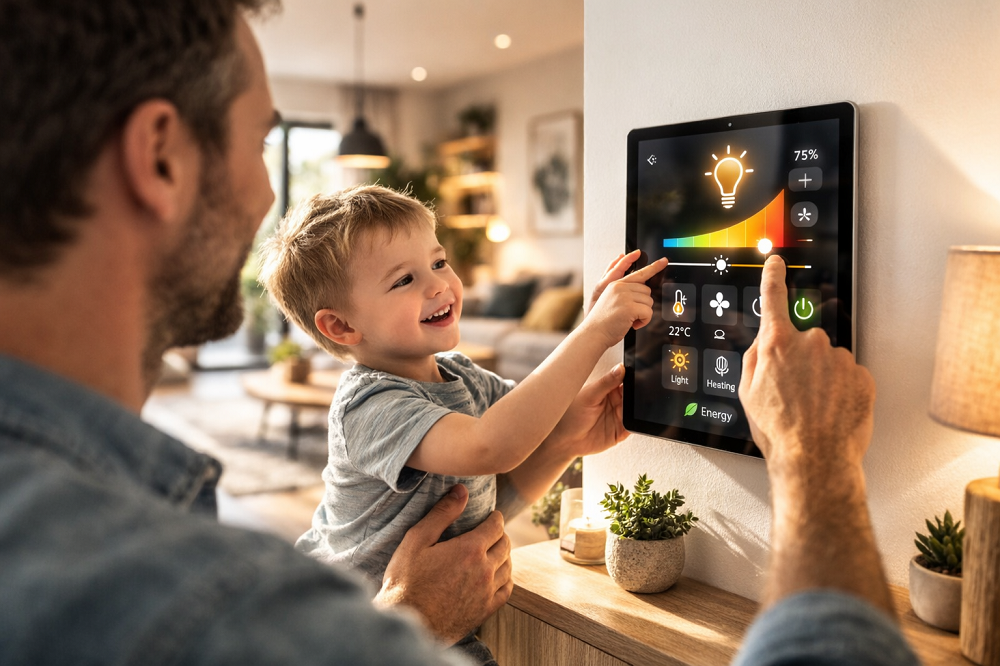
- Smart thermostats: Learn your habits and adjust heating/cooling automatically.
- AI ovens & fridges: Optimize cooking times and track groceries to reduce food waste.
- Smart lighting: LED systems adjust brightness and color temperature to mimic natural light.
These gadgets make eco-smart living seamless, blending convenience with sustainability.
Wellness and Eco-Smart Living
Eco-smart living isn’t just about saving resources—it’s about enhancing human health.
- Air quality sensors: Detect pollutants and allergens, keeping indoor air fresh.
- Circadian lighting: Supports better sleep cycles by mimicking natural daylight.
- Green spaces indoors: Vertical gardens and living walls improve mental well-being.
By integrating wellness into sustainability, eco-smart homes nurture both people and the planet.
Community-Level Eco-Smart Living
It’s not just individual homes—entire communities are embracing eco-smart living.
- Co-living spaces: Shared housing designed with smart devices and energy-efficient layouts.
- Smart cities: Urban areas powered by renewable energy, smart transportation, and green infrastructure.
- Community solar projects: Neighbors share renewable energy resources, lowering costs for all.
This collective approach amplifies impact, making sustainability accessible to more people.
Challenges and Trade-Offs
Eco-smart living is promising, but it comes with challenges:
- Upfront costs: Smart systems and eco-materials can be expensive, though prices are dropping.
- Privacy concerns: Smart devices collect data, raising questions about security.
- Learning curve: Not everyone is comfortable with AI-driven automation.
The key is transparency, affordability, and education—helping people embrace eco-smart living without feeling overwhelmed.
The Road Ahead for Eco-Smart Living
By 2026, eco-smart living is no longer futuristic—it’s here. Homes are evolving into sustainable ecosystems, powered by AI, renewable energy, and eco-conscious design.
The future promises even more:
- AI-driven urban planning for greener cities.
- Circular economy homes where waste is repurposed into resources.
- Global adoption as eco-smart living becomes the default, not the exception.
Eco-smart living is about more than technology—it’s about creating a world where comfort, health, and sustainability coexist.
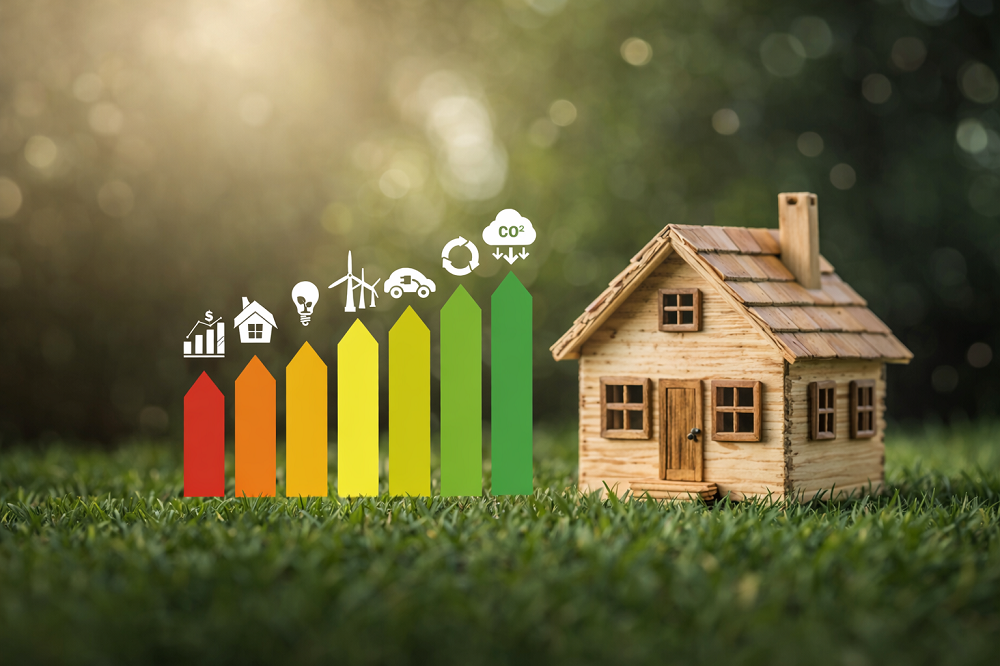
✨ Key Takeaways
Challenges remain, but the benefits—lower bills, healthier lives, and a greener planet—are undeniable.
Eco-smart living combines technology, sustainability, and wellness.
Homes in 2026 generate and store renewable energy, conserve water, and use eco-friendly materials.
Smart gadgets make green living effortless, while communities amplify impact.