
In today’s fast-paced and often unpredictable environments, ensuring safety is a top priority for businesses, healthcare facilities, educational institutions, and even residential spaces. Emergencies can occur without warning, and the speed at which help arrives often determines the outcome. This is where duress alarm systems play a crucial role. Designed to silently signal distress and request immediate assistance, these systems are becoming an essential component of modern security strategies.
Understanding how duress alarm systems work and their impact on emergency response times can help organizations make informed decisions about their safety infrastructure. Let’s explore how these systems function and why they are so effective in critical situations.
What Are Duress Alarm Systems?
Duress alarm systems are specialized security devices that allow individuals to discreetly alert authorities or security personnel during an emergency. Unlike traditional alarms, which may produce loud noises and draw attention, duress alarms are often silent. This makes them ideal for situations where drawing attention could escalate danger, such as during a robbery, workplace violence incident, or medical emergency.
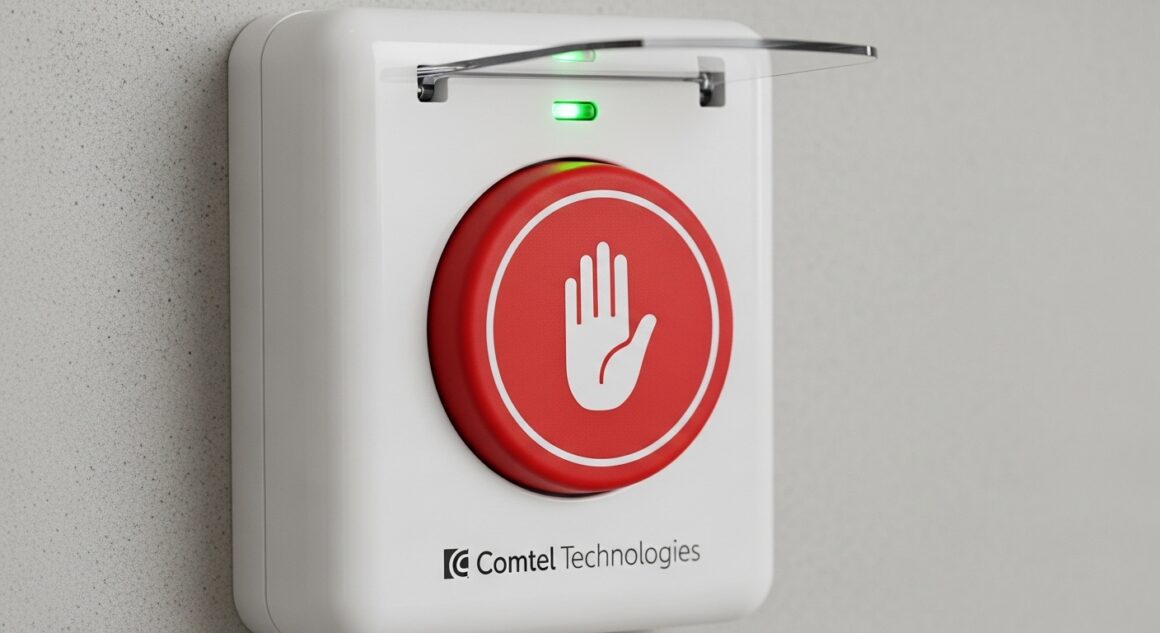
These systems can be activated through various means, including:
- Panic buttons (fixed or portable)
- Mobile applications
- Wearable devices
- Integrated security systems
Once activated, the system sends an immediate alert to a monitoring center, security team, or emergency services.
The Importance of Fast Emergency Response
When an emergency occurs, every second counts. Delays in response can lead to increased risk, greater damage, or even loss of life. Traditional methods of calling for help such as dialing emergency numbers may not always be feasible, especially in high-stress or dangerous situations.
Duress alarm systems eliminate these barriers by enabling instant communication with responders. This significantly reduces the time between the onset of an incident and the arrival of assistance.
How Duress Alarm Systems Improve Response Times
1. Instant Alert Transmission
One of the biggest advantages of duress alarm systems is their ability to send alerts instantly. With just a single press of a button, a signal is transmitted to the relevant authorities or monitoring centers. This removes the need for lengthy phone calls or explanations during emergencies.
2. Silent Communication
In many emergencies, staying unnoticed is critical. Duress alarm systems allow users to signal distress without alerting the perpetrator. This ensures that help is on the way while minimizing the risk of escalation.
3. Precise Location Tracking
Modern duress alarm systems often come equipped with GPS or indoor positioning technology. This allows responders to pinpoint the exact location of the person in distress, eliminating confusion and saving valuable time.
4. Integration with Security Systems
Duress alarms can be integrated with CCTV cameras, access control systems, and other security infrastructure. When an alarm is triggered, it can automatically:
- Activate cameras in the area
- Lock or unlock doors
- Send real-time data to security teams
This coordinated response ensures that emergency personnel have all the information they need before arriving on the scene.
5. Automated Notifications
Instead of relying on a single point of contact, duress alarm systems can notify multiple parties simultaneously. Alerts can be sent to:
- On-site security personnel
- Emergency services
- Facility managers
- Designated staff members
This multi-channel communication speeds up the overall response process and ensures no time is wasted.
6. Reduced Human Error
In high-pressure situations, people may panic or forget critical details when calling for help. Duress alarm systems remove this risk by automating the alert process. With minimal user input required, the chances of error are significantly reduced.

Key Benefits Across Different Industries
Healthcare Facilities
Hospitals and clinics often face emergencies such as patient aggression or medical crises. Duress alarm systems enable staff to quickly call for assistance without leaving the patient unattended.
Retail and Banking
In environments prone to theft or robbery, silent alarms are essential. Employees can discreetly alert authorities, increasing the likelihood of a safe resolution.
Corporate Offices
Workplace safety is a growing concern. Duress alarms help protect employees from threats such as unauthorized access or violent incidents.
Education Sector
Schools and universities can use duress alarm systems to enhance campus security and respond quickly to emergencies.
Features to Look for in a Duress Alarm System
When selecting a duress alarm system, it’s important to consider features that maximize efficiency and reliability:
- Ease of use: Simple activation methods ensure quick response
- Reliability: Systems should function without fail during emergencies
- Real-time tracking: Accurate location data is essential
- Integration capabilities: Compatibility with existing security systems
- Scalability: Ability to expand as organizational needs grow
Choosing the right system ensures that you are fully boosting emergency response with duress alarm systems while maintaining a safe environment.
The Role of Technology in Modern Duress Systems
Advancements in technology have significantly improved the effectiveness of duress alarm systems. Today’s systems leverage:
- Cloud-based monitoring
- Mobile connectivity
- Artificial intelligence for threat detection
- Real-time data analytics
These innovations not only enhance response times but also provide valuable insights for improving overall safety strategies.
Best Practices for Implementation
To get the most out of duress alarm systems, organizations should follow these best practices:
- Conduct risk assessments to identify vulnerable areas
- Train staff on how and when to use the system
- Regularly test the system to ensure functionality
- Integrate with emergency protocols for a coordinated response
- Review and update procedures as needed
Proper implementation ensures that the system performs effectively when it matters most.
Conclusion
Duress alarm systems have become an indispensable tool for enhancing safety and improving emergency response times. By enabling instant, discreet communication and providing accurate location data, these systems ensure that help arrives as quickly as possible.