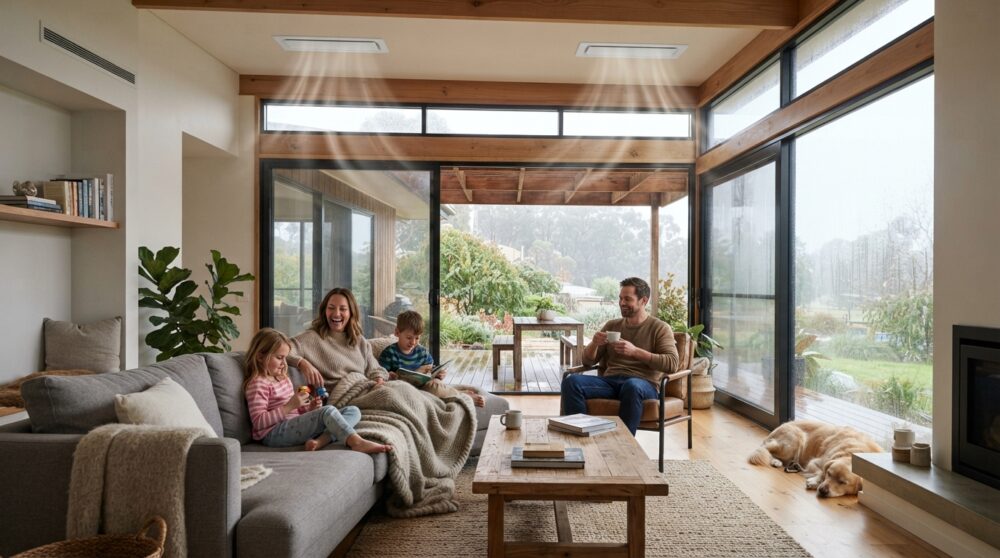
If you own a home in Australia, you have probably heard a lot about ducted heating. It’s a popular choice for keeping houses comfortable during both summer heat and winter chill. This guide walks you through everything you need to know – from how ducted heating works to local regulations, to practical tips for getting the most out of your system. By the end, you’ll feel confident to decide whether ducted heating fits your home improvement plans and how to keep it running efficiently.
Why Ducted Heating Is a Smart Choice for Australian Homes
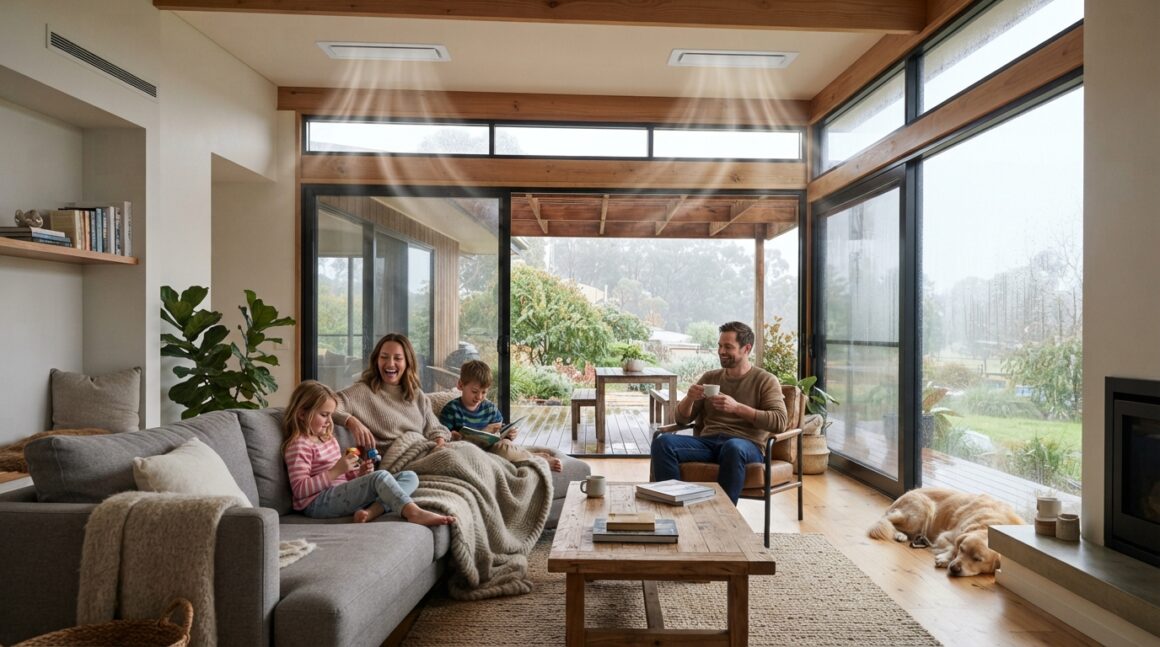
Ducted heating offers a whole‑house solution that can be paired with cooling for year‑round comfort. In Australia’s diverse climate zones from the cool winters of Tasmania to the scorching summers of the Northern Territory a single system can adapt to the temperature swings that many households experience.
Key Benefits
- Even temperature distribution – Ducts deliver warm (or cool) air to every room, reducing hot spots and cold corners.
- Space‑saving design – The main unit sits in the ceiling or roof space, leaving walls free for furniture and décor.
- Energy efficiency – Modern ducted units use inverter technology and variable‑speed fans, which can lower electricity bills compared with older, single‑zone units.
- Improved indoor air quality – Integrated filters help capture dust, pollen, and pet dander – a benefit for families with allergies.
When Ducted Heating Makes Sense
If you have a larger home, multiple floors, or plan to renovate, ducted heating can be more cost‑effective than installing separate split units in each room. It also adds value to the property, a factor that many Australian buyers consider when looking at home improvement upgrades.
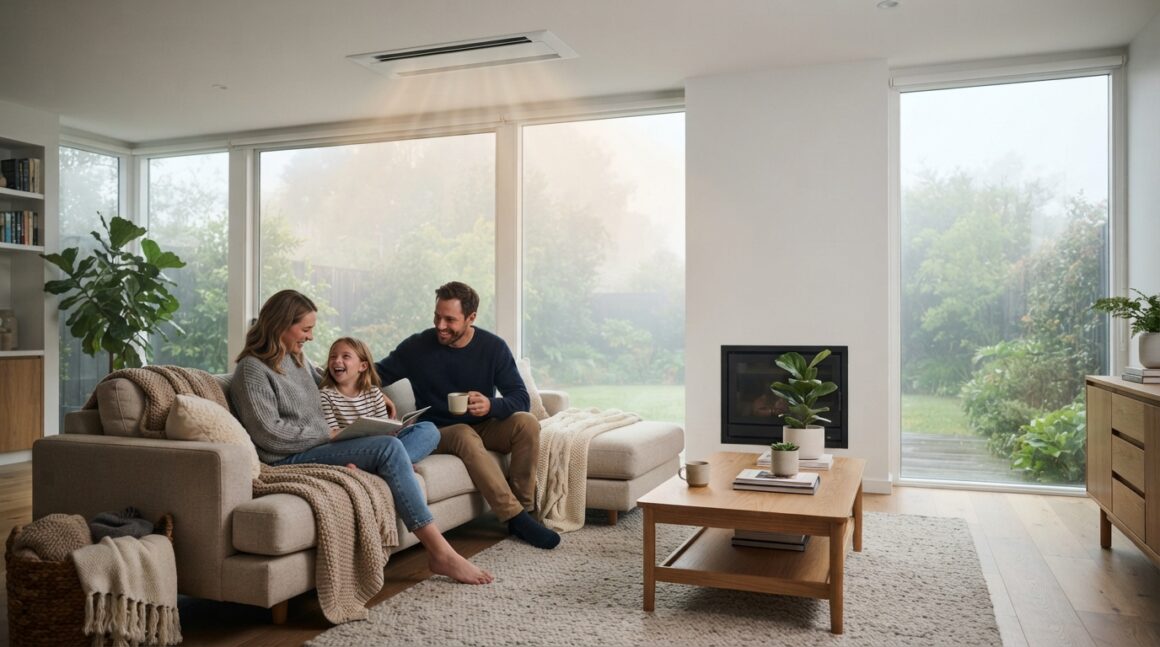
How Ducted Heating Works – A Simple Overview
A ducted heating system consists of three main parts: the heat source, the duct network, and the delivery vents. The heat source can be a gas furnace, an electric heat pump, or a reverse‑cycle air conditioner. When you set the thermostat, the system draws air, the unit, heats it, and pushes it through the ducts to the vents in each room.
The Heat Source
- Gas furnace – Common in many Australian suburbs where natural gas is available.
- Electric heat pump – Works well in milder climates and can also provide cooling.
- Reverse‑cycle air conditioner – Offers both heating and cooling, ideal for homes that want a single solution.
The Duct Network
Ducts are usually made of insulated metal or flexible aluminum. Proper insulation is crucial in Australia’s hot climate to prevent heat loss in winter and heat gain in summer. A well‑designed network balances airflow, ensuring each room receives the right amount of conditioned air.
Thermostats and Controls
Modern systems use smart thermostats that can be programmed for different zones, controlled via a mobile app, and even linked to home automation platforms. This flexibility helps you keep energy use low while maintaining comfort.
Australian Regulations and Standards
Before you install ducted heating, it’s important to understand the local rules that keep your home safe and energy‑efficient. Australia has a national set of standards, but each state and territory may have additional requirements.
National Standards
- AS/NZS 3666 – Covers ventilation and air‑conditioning system design, ensuring proper airflow and indoor air quality.
- AS/NZS 5601 – Governs gas installations, essential if you choose a gas furnace.
- Energy Rating Label – All new heating and cooling appliances must display an energy rating, helping consumers compare efficiency.
State‑Specific Points
- New South Wales – Requires a licensed plumber or gasfitter for any gas‑based ducted system.
- Victoria – Mandates that ductwork be insulated to a minimum R‑value of 2.0 for new homes.
- Queensland – Emphasises compliance with the Building Code of Australia (BCA) for fire safety in roof‑space installations.
- Western Australia – Encourages the use of renewable energy sources, such as solar‑powered heat pumps.
Choosing the Right Ducted Heating System for Your Australian Home
Selecting a system involves balancing climate, house size, and budget. Below are the main factors to consider.
Climate Zone
Australia is divided into six climate zones by the Bureau of Meteorology. In cooler zones (e.g., Tasmania, Southern Victoria), a gas furnace may be more cost‑effective. In warmer or mixed zones (e.g., Sydney, Brisbane), a reverse‑cycle heat pump offers both heating and cooling with lower running costs.
House Size and Layout
- Small homes (under 150 m²) – A single‑zone system may be sufficient.
- Medium homes (150‑250 m²) – Consider a two‑zone system, separating upstairs and downstairs.
- Large homes (over 250 m²) – Multi‑zone systems with individual thermostats for each zone provide the best comfort.
Energy Efficiency Features
- Variable‑speed fans – Adjust airflow automatically, reducing electricity use.
- Inverter compressors – Keep the compressor running at optimal speed rather than cycling on/off.
- Smart thermostats – Allow remote control and scheduling.
Installation Considerations
A qualified installer should assess your roof space, duct routing, and insulation. In many Australian suburbs, council approvals are required for roof‑space modifications. Always ask for a detailed quote that includes ductwork, insulation, and any necessary permits.
Maintaining Ducted Heating for Peak Performance
Regular maintenance keeps your system efficient and prolongs its life. Here’s a simple schedule you can follow.
Monthly Checks
- Inspect thermostat settings and battery (if applicable).
- Ensure vents are not blocked by furniture or curtains.
Quarterly Tasks
- Replace or clean air filters – In Australia’s dusty environments, this may be needed every 2‑3 months.
- Check duct insulation for any damage or gaps.
Annual Professional Service
A licensed technician should:
- Clean the heat exchanger or coil.
- Inspect gas connections (if applicable) for leaks.
- Test the system’s airflow and pressure.
- Calibrate the thermostat for accurate temperature control.
Cultural Nuances and Lifestyle Considerations
Australian homes often feature open‑plan living areas and large windows to take advantage of natural light. This design can affect how ducted heating performs.
Open‑Plan Living
In an open‑plan layout, warm air can drift quickly, so a higher‑capacity system or additional ceiling fans may be needed to keep the temperature even.
Outdoor Living Spaces
Many Australians love outdoor entertaining. Installing a separate outdoor unit or a split system for the patio can reduce the load on your ducted system, saving energy.
Seasonal Habits
During winter, Australians often use portable electric heaters as a supplemental source. Pairing a ducted system with a well‑insulated home can reduce the need for these extra heaters, lowering electricity bills.
Conclusion: Your Path to a Successful ducted heating in Australia
Choosing and maintaining ducted heating is a practical way to improve comfort, boost energy efficiency, and add value to your Australian home. By understanding how the system works, complying with national and state regulations, selecting the right size and technology for your climate zone, and keeping up with regular maintenance, you can enjoy reliable heating (and cooling) for years to come. Start by evaluating your home’s layout, budget, and local requirements, then contact a licensed installer who can design a solution tailored to your needs. With the right approach, ducted heating will keep your home cozy in winter, cool in summer, and running efficiently all year round.
Questions and Answers: Common Questions About ducted heating in Australia
A well‑maintained ducted heating system typically lasts 12‑15 years. Gas furnaces may reach 20 years, while electric heat pumps often need replacement after about 12 years. Regular servicing and keeping the ducts insulated will help you get the most out of the system.
Yes, but you may need to add or upgrade ductwork and insulation. In many older Australian homes, the roof space is accessible, allowing installers to run new ducts without tearing down walls. A professional assessment will tell you what’s required.
In Queensland, a building permit is required if the installation involves structural changes to the roof or walls, or if new ductwork is added. Most licensed installers will handle the permit process for you.
Yes. Many Australian homes already have rooftop solar panels. Pairing a ducted heat pump with a solar inverter can offset a large portion of the electricity used for heating, especially during the cooler months when solar production is still decent.