Have you ever wondered why a simple cup of coffee tastes so much better when someone else makes it? What is it about settling into a cosy corner booth that makes your worries melt away? And why do we keep returning to our favourite spots, even when the kettle at home works perfectly fine?
The truth is, cafés offer something far beyond caffeine. They’re sanctuaries from our busy lives, places where time slows down and connections happen naturally. Whether you’re catching up with an old mate, smashing through emails, or simply watching the world go by, cafés provide the perfect backdrop for life’s moments—big and small.
In this piece, we’ll get stuck into the rich world of café culture, exploring everything from what makes a brilliant café experience to why Australian coffee scenes have captured global attention. You’ll discover how to spot a quality establishment, understand the speciality coffee hype, and learn why supporting your local independent café matters more than ever. So grab your favourite brew and let’s begin.
The Evolution of Café Culture
From Simple Coffee Shops to Community Hubs
Cafés have come a long way from their origins as basic establishments serving hot drinks. What started as simple gathering spots in 17th-century Europe have transformed into vibrant community spaces that reflect local culture and creativity.
The modern café has evolved to meet our changing needs. Today’s venues serve as remote offices, study spaces, first-date locations, and even art galleries. This shift didn’t happen overnight—it developed alongside our growing desire for “third places” outside of home and work.
These spaces fill a vital role in our social fabric. They offer neutral ground where people from all walks of life can mingle, share ideas, and build relationships over a flat white or two.
How Australian Café Culture Became World-Famous
Australia’s café scene didn’t just develop—it exploded onto the world stage. Melbourne and Sydney pioneered a coffee revolution that emphasised quality, creativity, and customer experience above all else.
Australian baristas brought innovation to the industry, creating drinks like the flat white and long black that are now served globally. The focus shifted from quick service to craftsmanship, turning coffee-making into an art form.
What sets Australian café culture apart is the attention to every detail. From ethically sourced beans to house-made pastries, nothing is left to chance. This obsession with quality has made Australian-trained baristas some of the most sought-after professionals worldwide.
What Makes a Great Café Experience?
The Perfect Ambience: More Than Just Décor
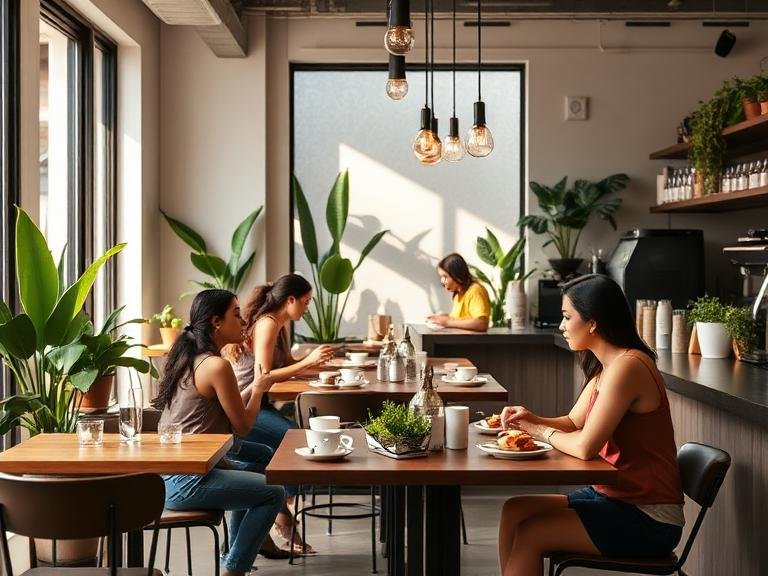
Walk into a memorable café and you’ll feel it immediately—that intangible “something” that makes you want to stay. Ambience goes far beyond pretty furniture and Instagram-worthy walls.
Lighting plays a massive role. The best cafés balance natural light with warm artificial sources, creating spaces that feel inviting at any hour. Sound matters too—background music should enhance conversation, not overpower it.
Temperature, seating comfort, and even the smell of freshly ground beans all contribute to the experience. These elements combine to create atmospheres where customers feel genuinely at ease.
Quality Coffee and the Art of the Pour
At the heart of every café experience lies the coffee itself. Quality starts with sourcing excellent beans, but it doesn’t end there.
Skilled baristas understand that extraction time, water temperature, and milk texture all impact the final cup. They treat each order as an opportunity to create something special, not just another transaction.
The visual presentation matters too. A perfectly poured latte with beautiful milk art signals care and expertise. It tells customers that this café takes pride in what they serve.
Food That Complements the Experience
Great cafés understand that food and coffee should work together harmoniously. The menu should feel thoughtful, not thrown together.
Fresh, locally sourced ingredients make all the difference. Whether it’s smashed avocado on sourdough or a simple toastie, quality shines through in every bite.
The best establishments develop signature dishes that keep customers coming back. These offerings become part of the café’s identity, creating memories that extend beyond the coffee cup.
Customer Service That Feels Like Home
Exceptional service transforms a good café into a great one. The best staff remember regulars, anticipate needs, and create genuine connections.
This doesn’t mean over-the-top friendliness or intrusive attention. It means reading the room—knowing when customers want a chat and when they need space.
Staff who genuinely love what they do create atmospheres where customers feel valued. This authentic warmth simply cannot be faked, and customers recognise it immediately.
Why Do People Go to Cafés Instead of Making Coffee at Home?
The answer goes deeper than convenience. Cafés offer experiences that our kitchens simply cannot replicate.
There’s the expertise factor—professional equipment and trained baristas produce results that home machines struggle to match. Plus, the social atmosphere adds value that goes far beyond the drink itself.
Cafés also provide a change of scenery that can boost creativity and productivity. Sometimes, escaping our usual environment is exactly what we need to think clearly or work effectively.
The Social Side of Café Life
Cafés as Meeting Places and Co-Working Spaces
The rise of remote work has transformed cafés into unofficial offices for freelancers, entrepreneurs, and remote employees. The ambient noise and social energy often help people concentrate better than complete silence.
Cafés provide neutral ground for business meetings, making them less formal than boardrooms but more professional than pubs. This flexibility makes them invaluable for modern working life.
Many establishments now actively cater to this crowd, offering power outlets, reliable WiFi, and comfortable seating designed for longer stays.
Building Community One Cup at a Time
Regular café visits create community connections that might not happen otherwise. Baristas become familiar faces, and fellow regulars become acquaintances, sometimes even friends.
These micro-communities provide social contact for people who might otherwise feel isolated. For remote workers, freelancers, and retirees, cafés offer daily human interaction that enriches life.
Local cafés often become neighbourhood gathering points, hosting events, supporting local artists, and contributing to the area’s unique character.
What Should You Look for When Choosing a Café?
Finding your perfect café involves balancing several factors. Start with the basics—is the coffee consistently good? Does the space feel comfortable?
Consider practical elements like location, opening hours, and whether they accommodate your needs (laptop work, pram parking, pet-friendliness). These details significantly impact how often you’ll return.
Finally, trust your instincts. The right café should feel welcoming the moment you walk in. If something feels off, it probably isn’t your place.
Speciality Coffee: Is It Worth the Hype?
Understanding Single-Origin and Blends
Single-origin coffees come from one specific region, allowing you to taste the unique characteristics of that area’s growing conditions. They offer distinctive flavour profiles that vary with each harvest.
Blends combine beans from multiple origins to create consistent, balanced flavours. Skilled roasters develop signature blends that define their café’s taste profile.
Neither option is inherently better—they offer different experiences. Exploring both helps you understand your preferences and appreciate coffee’s incredible diversity.
How to Order Like a Local
Ordering confidently starts with knowing the basics. Understand the difference between a flat white, latte, and cappuccino. Don’t be afraid to ask baristas for recommendations.
Specify your milk preference and desired strength. If you’re unsure, start with the café’s house blend made to their standard recipe—this showcases their skills best.
Remember, good baristas love discussing coffee. Asking questions shows genuine interest and often leads to better recommendations tailored to your taste.
How Do Cafés Create a Welcoming Atmosphere?
The magic happens through countless small decisions. Music selection, furniture arrangement, lighting choices, and staff training all contribute.
Successful cafés understand their target customers and design experiences accordingly. A family-friendly spot differs vastly from a minimalist espresso bar, yet both can feel equally welcoming to their respective audiences.
Consistency matters enormously. Customers return to cafés where they know what to expect and feel confident they’ll have a positive experience every time.
Supporting Local: Why Independent Cafés Matter
The Economic Impact of Choosing Local
Independent cafés typically keep more money circulating within local economies. They hire locally, source from nearby suppliers, and contribute to neighbourhood character.
When you choose independent over chain establishments, you’re investing in your community’s unique identity. These businesses often become neighbourhood landmarks that define an area’s personality.
The financial impact extends beyond direct spending. Thriving café strips attract visitors, boost property values, and encourage further local business development.
Sustainability and Ethical Sourcing
Many independent cafés lead the way in sustainable practices. From compostable packaging to direct-trade coffee sourcing, smaller operators often implement ethical practices faster than large chains.
These choices matter increasingly to customers who want their spending to align with their values. Supporting cafés that prioritise sustainability creates positive ripple effects throughout supply chains.
What Makes Australian Cafés Different from Others?
Australian café culture combines several distinctive elements: exceptional coffee quality, relaxed yet professional service, innovative menus, and beautiful design.
The emphasis on brunch culture sets Australia apart, with cafés serving creative dishes that have influenced food trends worldwide. This focus on both food and coffee creates complete experiences.
Australian baristas receive thorough training and take genuine pride in their craft. This professional approach, combined with laid-back hospitality, creates an atmosphere that visitors frequently try to replicate back home.
The Future of Café Culture
Trends Shaping Tomorrow’s Coffee Experience
Sustainability will continue driving innovation, from bean sourcing to packaging choices. Customers increasingly expect transparency about environmental and ethical practices.
Alternative milks and plant-based options are becoming standard rather than special requests. Cafés that adapt quickly to dietary preferences will thrive.
Experience-focused offerings—cupping sessions, barista classes, and coffee subscriptions—are expanding how cafés engage with customers beyond traditional transactions.
Technology Meets Tradition
Mobile ordering and contactless payments have become expected features. However, the best cafés balance convenience technology with personal connection.
Some establishments use technology to enhance experiences—digital menus with detailed origin information, for instance. Others deliberately minimise tech to preserve analogue charm.
The winning approach combines efficiency where it matters with human warmth that technology cannot replace.
Finding Your Perfect Café
Throughout this exploration, we’ve discovered that cafés offer far more than beverages. They provide spaces for connection, creativity, and community—experiences that enrich our daily lives in countless ways.
The perfect café exists out there waiting for you. It might be the bustling spot around the corner or a hidden gem you haven’t discovered yet. If you’re looking to explore somewhere new, discovering a café in Prahran could be a great place to start. The key is knowing what matters to you—whether that’s exceptional coffee, perfect ambience, fantastic food, or simply friendly faces.
So here’s your challenge: try somewhere new this week. Strike up a conversation with your barista. Notice the small details that make each café unique. You might just find your new favourite place—and that’s an experience worth far more than the price of a coffee.