Have you ever walked past an antique shop and felt drawn to that gorgeous mahogany sideboard in the window? Perhaps you’ve inherited a piece from a relative and wondered whether it’s actually valuable? Or maybe you’re simply tired of flat-pack furniture and want something with real character and history?
You’re not alone. More Australians than ever are discovering the charm of antique furniture melbourne. There’s something magical about owning a piece that’s survived generations—a writing desk that might have witnessed love letters being penned, or a dining table that’s hosted countless family gatherings over the decades.
This guide will walk you through everything you need to know as a newcomer to the world of antique furniture shop melbourne. We’ll cover how to identify genuine pieces, where to find them across Australia, what to pay, and how to care for your treasures once you’ve brought them home. Whether you’re looking to furnish your home with timeless pieces or start a collection, you’ll find practical advice to help you buy with confidence.
What Qualifies as Antique Furniture?
How Old Does Furniture Need to Be to Be Considered Antique?
The 100-year rule is the most widely accepted standard in the industry. However, some dealers and auction houses may classify exceptional pieces from the early 20th century as antique, particularly if they represent significant craftsmanship or design movements. When you’re shopping, always ask about the specific age of a piece rather than relying solely on labels.
Getting Started: What Every Beginner Should Know Before Buying
Setting Your Budget
Before you start browsing, decide what you’re comfortable spending. Antique furniture ranges dramatically in price—from affordable pieces at op shops to museum-quality items worth thousands. A reasonable starting budget for beginners might be per piece, which can get you quality Victorian or Edwardian furniture in good condition.
Identifying Your Style Preferences
Spend time researching different periods and styles before buying. Visit museums, browse antique shops without purchasing, and save images of pieces you love. Do you prefer the ornate carvings of Victorian furniture, or the clean lines of Art Deco? Knowing your preferences prevents impulse purchases you might regret.
Common Mistakes First-Time Buyers Make
New collectors often buy emotionally rather than logically. They fall for a piece without checking its condition properly or researching fair prices. Another common mistake is not measuring spaces at home—that stunning armoire won’t be so stunning if it doesn’t fit through your doorway! Always bring a tape measure and your room dimensions.
How to Identify Authentic Antique Furniture
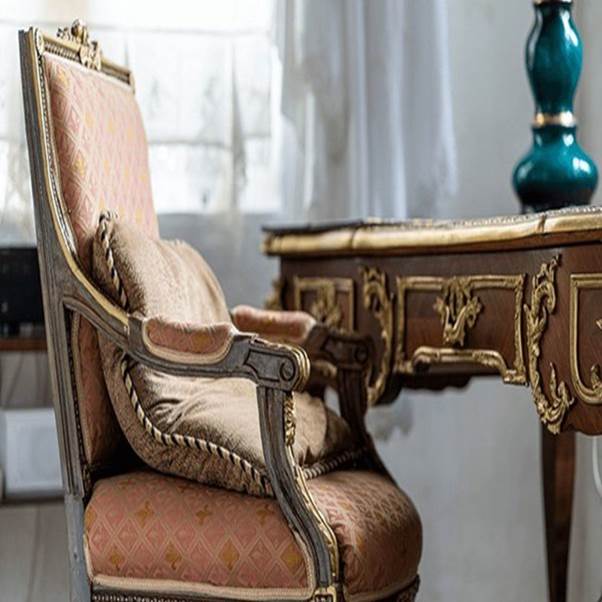
Understanding Construction Methods and Materials
Pre-industrial furniture was built differently. Screws were rare before the 1850s; look for wooden pegs and hand-forged nails instead. The wood itself tells a story—old-growth timber has tighter grain patterns than modern plantation wood. Secondary woods (used for drawer bottoms and backing) were typically local, cheaper varieties.
Spotting Reproductions and Fakes
Reproductions aren’t inherently bad—many are beautifully made. The problem arises when they’re sold as genuine antiques. Watch for uniform wear that looks artificially applied, modern screws or hardware, and plywood or particle board in hidden areas. If a price seems too good to be true for a supposedly rare piece, trust your instincts.
Popular Antique Furniture Styles and Periods
Which Antique Furniture Styles Are Most Valuable?
Value depends on multiple factors, but Georgian pieces and high-quality Victorian furniture from known makers typically command premium prices. Mid-Century Modern has seen significant price increases over the past decade. Regional pieces with documented Australian provenance are particularly sought after locally.
Where to Buy Antique Furniture in Australia
Antique Shops and Dealers
Established dealers in areas like Sydney’s Woollahra, Melbourne’s High Street Armadale, or Brisbane’s Paddington offer curated selections with authenticity guarantees. You’ll pay more than at markets, but you’re buying expertise and peace of mind. Build relationships with dealers—they’ll often contact you when pieces matching your interests come in.
Auction Houses and Estate Sales
Auction houses like Leonard Joel, Shapiro, and Lawsons hold regular furniture sales. You can view pieces beforehand and research estimates. Estate sales can yield bargains, particularly in regional areas. Check local papers and online listings for upcoming sales.
Online Marketplaces and What to Watch Out For
Platforms like Gumtree, Facebook Marketplace, and eBay offer convenience but require caution. Always view pieces in person before purchasing. Request multiple detailed photos, including undersides and joints. Ask about provenance and be wary of sellers reluctant to answer questions.
Markets, Fairs, and Op Shops
Regular antique fairs occur across Australia—the Melbourne Antiques Fair and Sydney Antique Dealers Fair attract quality dealers. Op shops occasionally yield treasures, though competition is fierce. Arrive early and visit shops in affluent areas for the best finds.
How to Assess Quality and Condition
What to Look for When Inspecting Antique Furniture
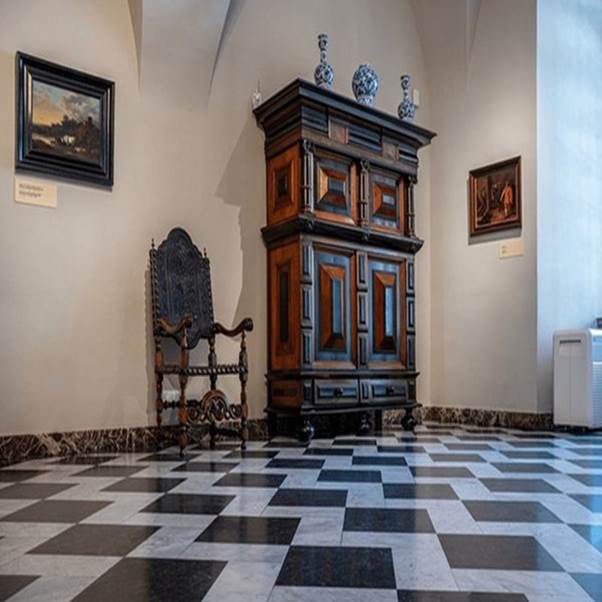
Bring a torch and don’t be shy about getting down on your knees. Check for woodworm (small holes with fine powder indicate active infestation), structural damage, and replaced parts. Open every drawer—they should move smoothly without sticking. Examine joints for wobbles or repairs.
Is It Worth Buying Antique Furniture That Needs Restoration?
Sometimes, yes. Minor issues like loose joints or worn finishes are easily addressed. Major structural damage, extensive woodworm, or missing elements can cost more to repair than the piece is worth. Get restoration quotes before purchasing anything requiring significant work.
Antique Furniture Pricing and Value
Factors That Determine Prices
Several elements affect value: age, condition, rarity, maker, provenance, and current market demand. A documented piece from a renowned cabinet maker will command far more than an anonymous example of similar age. Fashion plays a role too—what’s desirable shifts over time.
Negotiating Tips
Most dealers expect some negotiation. Research comparable pieces beforehand so you know fair market value. Be polite but confident—asking for 10-20% off is reasonable. Cash payments often secure better discounts. If buying multiple pieces, request a package deal.
Caring for Your Antique Furniture
How Do You Maintain Antique Furniture?
Keep pieces away from direct sunlight, heating vents, and air conditioning—extreme temperature and humidity changes cause wood to expand and contract, leading to cracks and warping. Dust regularly with a soft cloth. Use felt pads under objects to prevent scratches.
Cleaning and Polishing Best Practices
Less is more with antiques. Avoid modern furniture sprays containing silicone. Instead, use quality beeswax polish sparingly—once or twice yearly is sufficient. For cleaning, a slightly damp cloth followed by immediate drying works well for most pieces.
Investing in Antiques: Is Antique Furniture a Good Investment?
Understanding Market Trends
Antique furniture can be a worthwhile investment, but it’s not guaranteed. Markets fluctuate based on fashion, economic conditions, and generational preferences. Buy what you love first—if it appreciates, that’s a bonus. Quality pieces from recognised makers or with excellent provenance tend to hold value best.
Final Thoughts: Building Your Antique Collection with Confidence
Starting your antique furniture journey is genuinely exciting. You’re not just buying furniture—you’re becoming a custodian of history, preserving craftsmanship that might otherwise be lost to time.
Take things slowly at first. Visit shops and fairs without pressure to buy. Handle pieces, ask questions, and develop your eye. The knowledge you build will serve you well for years to come. Don’t be afraid to start small with affordable pieces while you’re learning—there’s no shame in making mistakes on a chair rather than a sideboard.
Most importantly, trust your instincts and buy what speaks to you. The best collections aren’t built overnight; they grow organically as you discover pieces that resonate with your taste and tell stories you want to share. Happy hunting!