Designing a small restaurant on a low budget may seem challenging, but with the right strategy, even the tightest financial constraints can lead to a warm, stylish, and highly functional dining space. In fact, many successful small restaurants today rely not on expensive décor, but on creativity, smart space planning, and thoughtful branding that tells a story. Whether you’re opening a cozy café, a quick-service diner, or a compact bistro, a low-budget design can still create a welcoming environment that attracts customers and supports efficient operations.
This article explores practical and affordable design ideas for small restaurants—covering layout, furniture, lighting, décor, and ambiance—so you can craft a memorable space without overspending.
1. Start With a Clear Concept and Simple Theme
A common mistake when designing on a low budget is trying to do too much. Instead, focus on a simple, well-defined concept that guides every design choice. Your theme should reflect your brand, cuisine, and target customers.
A few budget-friendly themes that work well in small spaces include:
- Minimalist café: clean lines, neutral colors, natural materials
- Industrial chic: exposed brick, metal accents, reclaimed wood
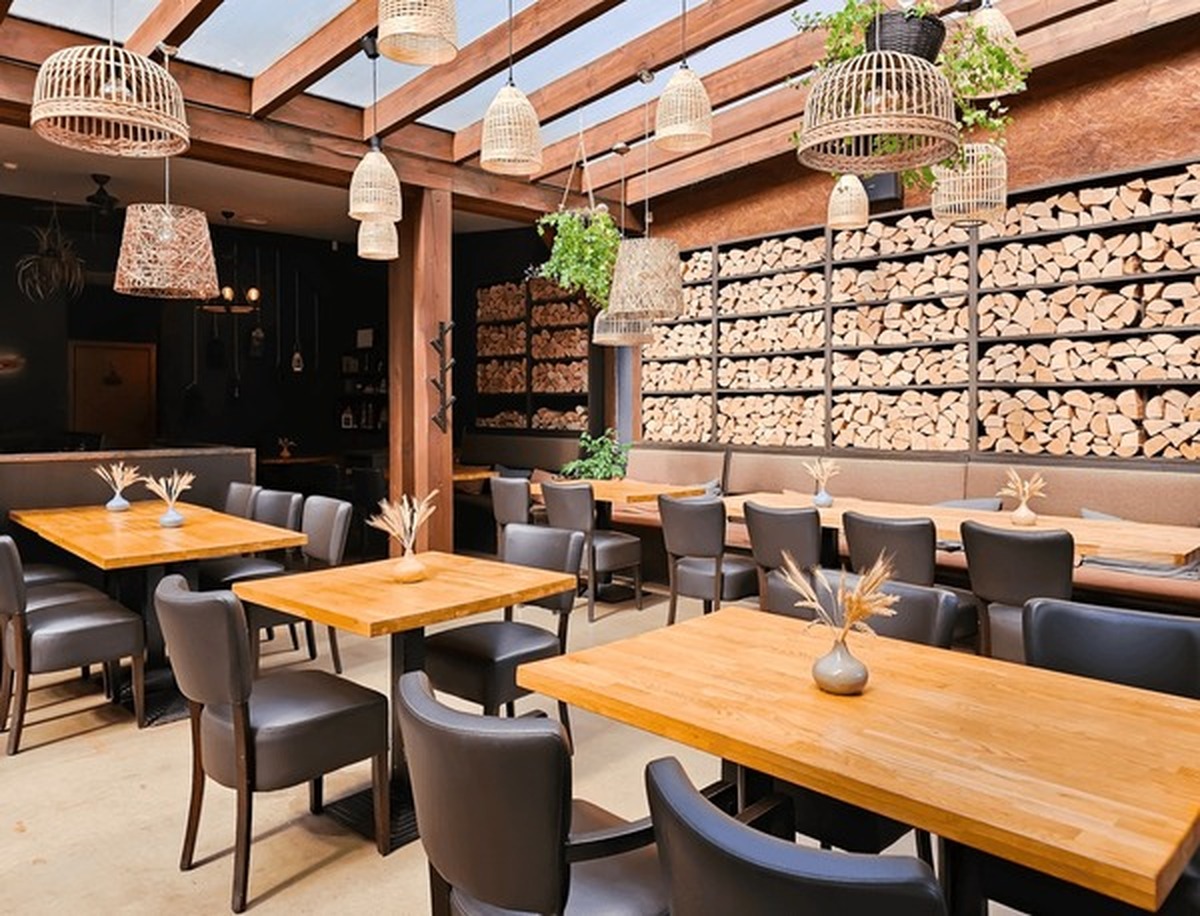
- Rustic comfort: warm tones, wooden textures, vintage décor
- Modern street-food vibe: bold colors, murals, menu boards
A clear theme prevents unnecessary spending on mismatched décor and helps you maintain consistency throughout the restaurant.
2. Maximize Small Spaces Through Smart Layout Planning
In a small restaurant, every square foot matters. A smart layout helps you optimize the dining area, improve traffic flow, and create a comfortable atmosphere for customers.
a. Use Flexible Seating
Modular furniture—like stackable chairs or foldable tables—can adapt to changing customer volume. Small two-seater tables can be pushed together for larger groups, giving you flexibility without purchasing oversized furniture.
b. Keep Walkways Clear
A clutter-free layout improves customer experience and speeds up service. Ensure clear pathways for customers and staff, and avoid overcrowding tables.
c. Open Up the Space Visually
You don’t need to physically enlarge your restaurant to make it feel bigger. Simple visual tricks—like large mirrors, lighter wall colors, and strategic lighting—can make small spaces feel more open and airy.
3. Choose Budget-Friendly Materials With High Aesthetic Value
High-end materials like marble or designer tiles can be beautiful but costly. Luckily, affordable alternatives can deliver a similar visual effect.
Cost-effective options include:
- Laminate countertops that look like stone
- Vinyl flooring that mimics hardwood or ceramic
- Plywood or MDF furniture for custom, low-cost tables and shelves
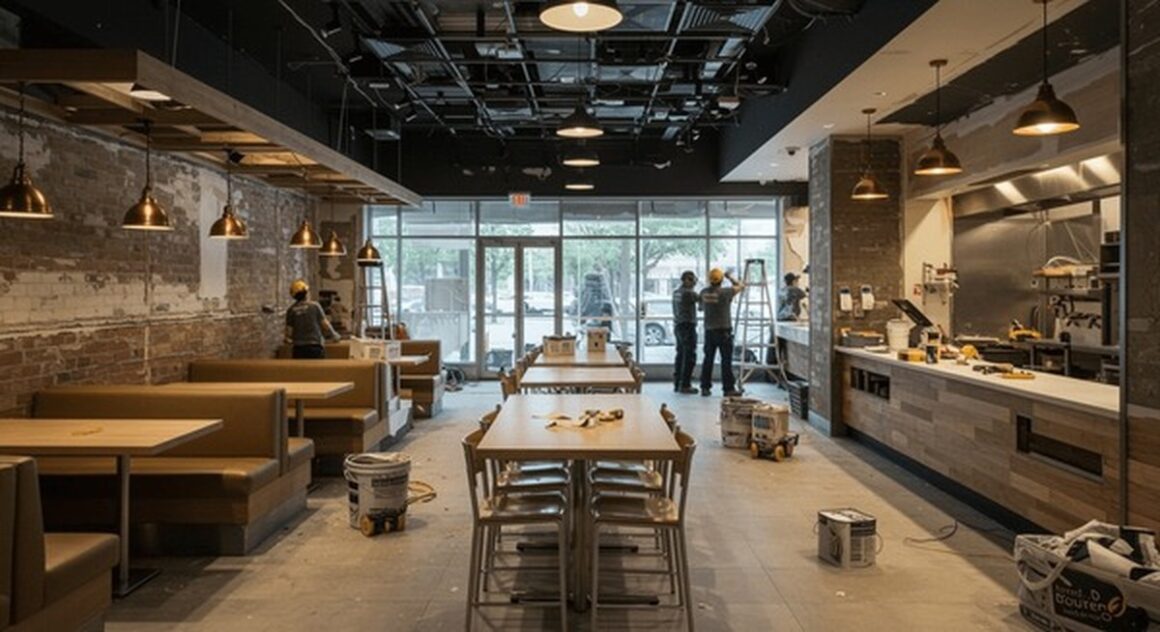
- Exposed concrete floors, which fit industrial themes and require minimal work
With careful selection, you can design an attractive space without overpaying for premium materials.
4. Use DIY and Upcycled Decor
One of the best ways to design a small restaurant on a budget is to embrace DIY projects and upcycling. Not only does this dramatically reduce costs, but it also gives your restaurant a unique, personal touch.
Ideas for affordable decor:
- Repurposed wooden crates as storage or shelving
- Second-hand furniture repainted to match your theme
- Hand-painted wall art or signage, instead of hiring a muralist
- Glass jars or bottles used as vases or light fixtures
- Vintage frames to create an inexpensive gallery wall
These elements add charm and character without requiring large investments.
5. Create Atmosphere With Cost-Efficient Lighting
Lighting plays a major role in setting the mood of your restaurant. Instead of spending on expensive fixtures, focus on budget-friendly lighting options that enhance the atmosphere.
Tips for affordable lighting design:
- Use warm LED bulbs to create a cozy, inviting glow.
- Install pendant lights or minimalist fixtures above tables.
- Add string lights or fairy lights for a soft, ambient vibe.
- Place accent lights on walls or shelves to highlight décor.
Good lighting can instantly elevate your interior without any need for expensive decorative pieces.
6. Focus on a Memorable Accent Wall
If you want one standout design feature without paying for full-scale décor, create a single accent wall. This becomes a focal point and strengthens your brand identity.
Low-budget accent wall ideas:
- A bold color or paint design
- A chalkboard wall for menus, quotes, or daily specials
- Wooden pallets or reclaimed wood panels
- A simple mural painted by a local artist or even by you
- A collage of framed photos, menus, or vintage posters
An accent wall adds personality while keeping costs under control.
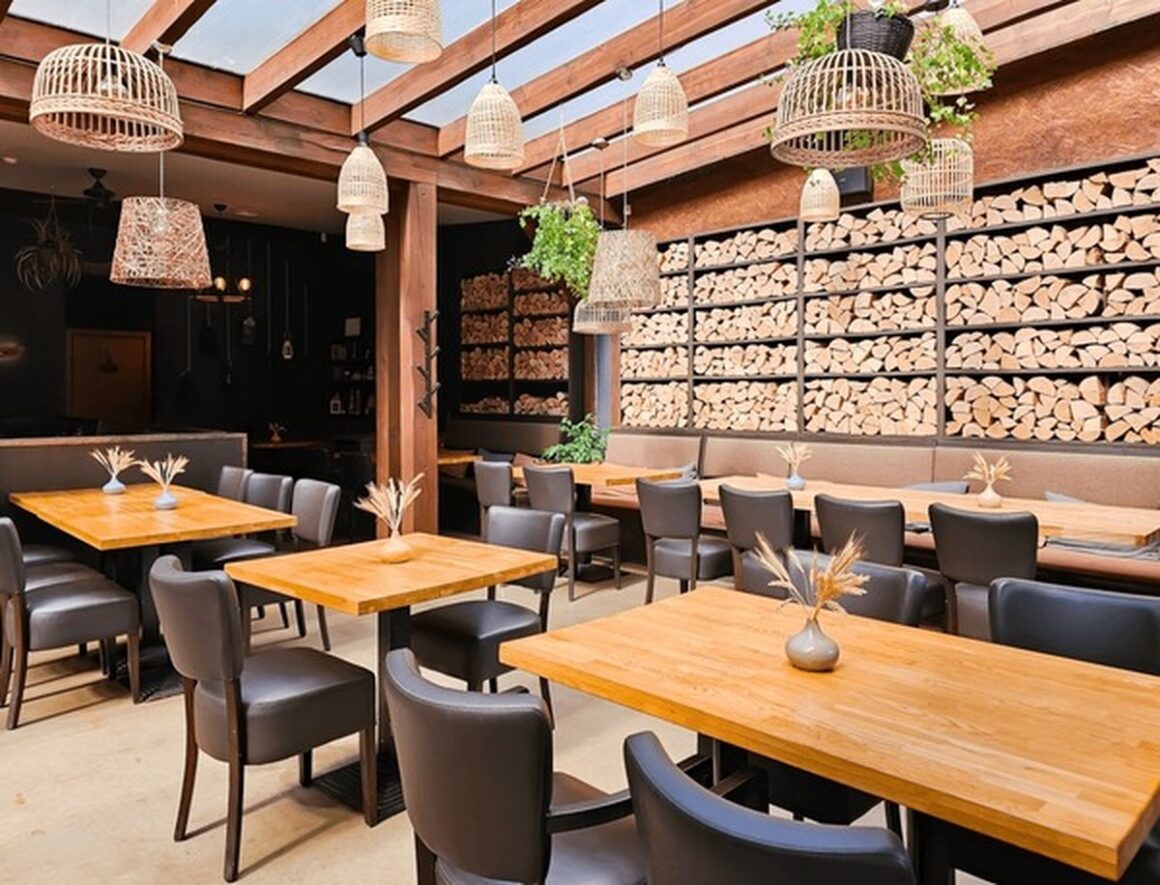
7. Keep Branding Simple but Strong
Branding is what makes your small restaurant memorable. While large budgets allow for custom branding and manufactured signage, you can still create a strong identity with minimal investment.
Affordable branding touches include:
- A clean, attractive logo
- Simple, cohesive colors and fonts
- Branded menu boards
- Custom stickers on takeout packaging
- A unique display of dishes or signature ingredients
A clear brand voice increases customer recall and enhances the dining experience.
8. Invest Wisely in Furniture
Furniture may be one of the biggest expenses in a small restaurant, but it doesn’t have to break the bank.
Cost-saving furniture tips:
- Choose simple wooden tables—sturdy, timeless, and easy to repair.
- Mix in benches or booth seating to fit more customers in tight spaces.
- Look for used furniture, especially from restaurants that closed or renovated.
- Refinish old chairs and tables instead of buying new ones.
Prioritize durability and comfort—customers notice good seating more than elaborate décor.
9. Use Plants to Bring Life to the Space
Plants are one of the most affordable and effective ways to beautify a restaurant. They add freshness, color, and a sense of calm, making your space instantly more inviting.
Budget-friendly plant ideas:
- Small potted plants on tables
- Hanging plants to save floor space
- DIY planters made from jars, cans, or baskets
- Low-maintenance indoor plants like pothos, succulents, or snake plants
Just a few green elements can transform the feel of your restaurant.
10. Minimize Clutter and Maintain Clean Lines
A small restaurant looks more expensive when it’s uncluttered and well-organized. Avoid filling the space with unnecessary decorations or bulky furniture. Storage shelves, hidden compartments, wall-mounted menus, and counter organization keep the dining area tidy and visually appealing.
Conclusion
A low-budget small restaurant design doesn’t require compromising on style, ambiance, or customer experience. With smart planning, creative thinking, and cost-effective choices, you can create a beautiful and functional space that reflects your brand’s personality. Remember: simplicity, functionality, and a few standout elements can have a stronger visual impact than an overly elaborate design.
Whether you’re working with a tiny café or a compact eatery, focus on maximizing space, using affordable décor, and investing in the essentials. Your customers will appreciate the cozy atmosphere and thoughtful details—and your budget will thank you.