Duress alarm systems are a vital part of personal safety, especially for people who work in high‑risk environments such as health care, aged care, and community services. In Australia, these systems help protect workers, patients, and visitors by providing a discreet way to call for help when a threat is perceived. This guide explains how duress alarm systems operate, why they matter for health‑related settings, and what you need to know to choose the right solution for your Australian workplace.
What Is a Duress Alarm System?
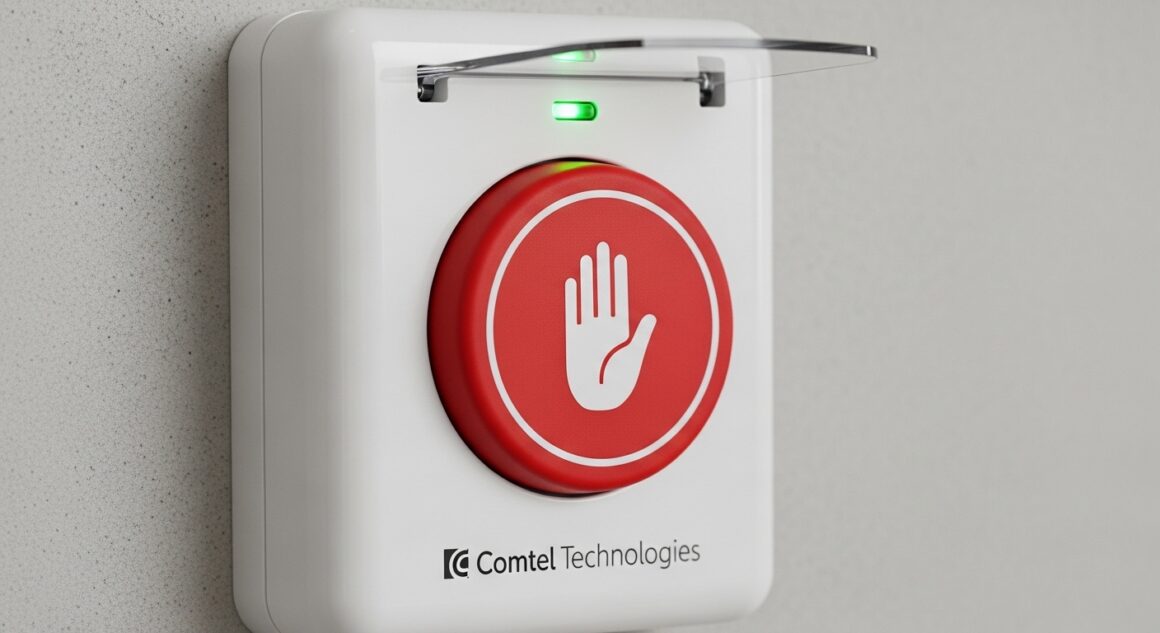
A duress alarm system is a silent or low‑profile alert that a person can activate when they feel unsafe. Unlike a regular panic button that may be obvious, a duress alarm can be hidden in everyday objects – a pen, a badge, a piece of furniture, or a wearable device. When triggered, the system sends a signal to a monitoring centre, security staff, or directly to emergency services, often with location data and a predefined response plan.
How Do Duress Alarms Work?
Core Components
- Activation device: A button, switch, or sensor that the user can press or squeeze.
- Control unit: The small electronic box that receives the signal and forwards it.
- Communication link: Cellular, Wi‑Fi, or wired connection that carries the alert.
- Monitoring service: A staffed centre or automated system that receives the alert and initiates a response.
- Response protocol: The steps taken after an alert, such as dispatching security, notifying a manager, or calling emergency services.
Signal Flow
When a user activates the duress device, the control unit creates a digital signal that includes the type of alert, the device’s ID, and often the GPS location. This signal travels over the chosen communication link to the monitoring service. The service checks the alert against a database of registered users and then follows the pre‑set response protocol. In many health settings, the protocol may include notifying a supervisor, a security guard, and the local police simultaneously.
Types of Activation
- Single‑press: A quick press that sends an immediate alert.
- Hold‑to‑alert: Holding the button for a few seconds reduces accidental triggers.
- Touch‑sensitive: A pressure‑sensitive pad that activates when squeezed.
- Voice‑activated: A spoken keyword that triggers the alarm, useful for hands‑free situations.
Why Duress Alarms Matter in the Health Sector
Health workers often face aggressive patients, violent visitors, or stressful emergencies. A duress alarm gives them a private way to call for help without escalating the situation. In Australian hospitals and aged‑care facilities, the use of duress alarms aligns with workplace health and safety (WHS) obligations and can reduce the risk of injury, improve staff confidence, and demonstrate a commitment to a safe environment.
Australian Regulations and Standards
National Safety Laws
All Australian states and territories require employers to manage risks that could cause harm. The Work Health and Safety Act 2011 (Cth) and its corresponding regulations mandate that high‑risk workplaces provide appropriate emergency communication tools, including duress alarm systems. Failure to comply can result in fines and legal action.
Relevant Australian Standards
- AS 2201 – Security Management Systems: Provides a framework for risk assessment and the selection of security measures, including duress devices.
- AS 3745 – Planning for Emergency Evacuation: Covers the integration of alarm systems into broader emergency plans.
- AS 4589 – Fire Detection and Alarm Systems: While focused on fire, it also references the need for silent alarms in certain environments.
State‑Specific Requirements
In New South Wales, the Work Cover guidelines recommend at least one duress device per 10 staff members in health facilities. Queensland’s Safety Act encourages the use of wearable duress alarms for remote or out‑of‑site care workers. Victoria’s Occupational Health and Safety Regulations specifically mention “silent panic devices” for mental health units. These local rules help shape how duress alarm systems are installed and maintained across the country.

Choosing the Right Duress Alarm System for Australia
Key Considerations
- Coverage area: Rural clinics may need cellular backup if internet is unreliable.
- Battery life: Devices should last at least one year on a single battery to reduce maintenance.
- Integration with existing security: Compatibility with existing access control or CCTV systems simplifies management.
- Compliance with standards: Verify that the system meets AS 2201 and local WHS requirements.
- Ease of use: Staff should be able to activate the alarm without training.
Popular Device Types in Australian Health Settings
- Wearable pendants: Small, waterproof, and easy to wear on a lanyard.
- Desk‑mounted buttons: Discreetly placed on reception desks or nurse stations.
- Mobile app integration: Allows a smartphone to act as a duress trigger, useful for home‑care workers.
- Smart badge readers: Combine ID verification with a hidden panic button.
Local Providers and Support
Australian security firms and technology integrators offer duress alarm solutions that are tailored to health environments. Many providers operate nationwide, with regional service centres in Sydney, Melbourne, Brisbane, Perth, and Adelaide. When selecting a provider, ask about their response times, local support contracts, and experience with health‑care compliance.
Installation and Maintenance Best Practices
Site Survey
A thorough site survey identifies blind spots, signal strength, and the best locations for devices. In large hospitals, multiple control units may be needed to ensure reliable coverage across wards, operating theatres, and parking areas.
Testing and Training
Regular testing, at least quarterly, confirms that the system works as intended. Staff training should be short, practical, and include scenario drills. Emphasise that the alarm can be used discreetly and that false alarms are treated seriously.
Maintenance Schedule
- Check battery levels annually.
- Inspect antennae and communication modules for damage.
- Update firmware to address security vulnerabilities.
- Review response protocols after any incident.
Benefits of Duress Alarms for Health Organizations
- Quick response reduces the chance of injury.
- Improves staff confidence and morale.
- Helps meet legal obligations under WHS laws.
- Provides documented evidence for incident investigations.
- Supports a culture of safety and care.
Questions and Answers: Common Questions About duress alarm systems in Australia
Q: Are duress alarms required by law for health‑care facilities in Australia?
A: While there is no single law that mandates duress alarms, the Work Health and Safety Act 2011 and related state regulations require employers to provide reasonable measures to protect staff from violence. In many states, guidelines explicitly recommend silent panic devices for high‑risk health settings, making them a de‑facto requirement for compliance.
Q: Which type of duress device works best in remote or out‑of‑site health services?
A: For remote work, a wearable device with cellular backup is ideal. It can send an alert even when Wi‑Fi is unavailable, and many models include GPS to pinpoint the user’s location. Look for devices that are water‑resistant and have a long battery life to suit outdoor conditions.
Q: How do I ensure my duress alarm system complies with Australian Standards?
A: Choose a system that is certified to AS 2201 and AS 3745. Ask the provider for documentation that shows compliance, and keep a copy in your safety management files. Regular audits and testing will also help maintain compliance over time.
Q: What should I do if a duress alarm is triggered accidentally?
A: Most monitoring services have a “cancel” or “reset” button on the control panel. Staff should be trained to use it immediately after an accidental trigger. The monitoring centre will also log the incident, which can be reviewed to improve training and reduce future false alarms.
Q: Can duress alarm systems be integrated with existing hospital security or emergency systems?
A: Yes. Modern duress solutions often support integration with access control, CCTV, and fire alarm systems. This allows a single alert to trigger multiple actions, such as locking doors, flashing lights, and notifying security personnel all within the same response plan.
Conclusion: Your Path to a Successful duress alarm systems in Australia
Duress alarm systems are a practical, legally sound way to protect health‑care workers and patients across Australia. By understanding how the technology works, staying up to date with national and state regulations, and choosing devices that fit the local environment, you can create a safe workplace that meets WHS obligations and builds confidence among staff. Start with a site survey, select a compliant provider, train your team, and schedule regular testing. With these steps, your organisation will be ready to respond quickly and effectively whenever a duress situation arises.