
In recent years, the disability support sector has experienced significant growth, driven largely by the expansion of the National Disability Insurance Scheme (NDIS) in Australia. As more individuals gain access to personalized support plans, the need for skilled professionals to guide them through the system has increased. One such vital role is that of a support coordinator, who helps participants navigate services, manage funding, and achieve their goals effectively. With the complexity of the NDIS framework, professional support coordinators have become indispensable in ensuring participants receive the best possible care and outcomes.
The importance of NDIS support coordination for better outcomes cannot be overstated. Support coordinators play a key role in connecting participants with the right service providers, ensuring that their plans are implemented efficiently. By understanding individual needs and goals, they help create a clear pathway for success, making the entire process more manageable and less overwhelming for participants and their families.
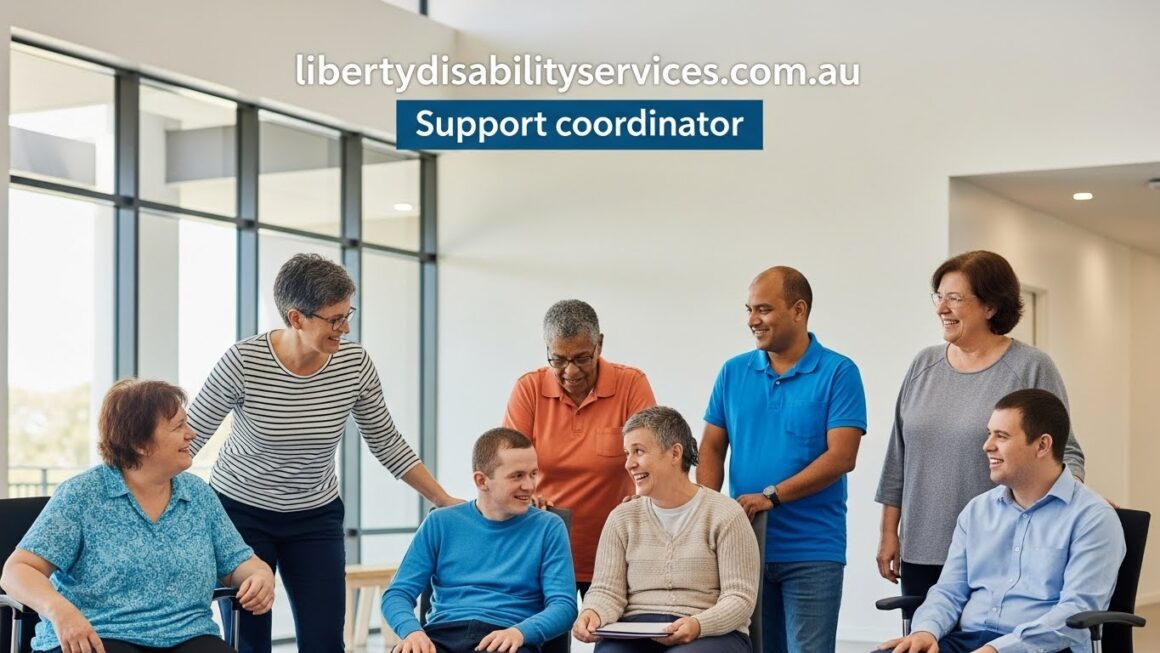
What Does a Support Coordinator Do?
A support coordinator acts as a bridge between NDIS participants and the services they require. Their primary responsibilities include:
- Explaining NDIS plans and funding allocations
- Connecting participants with suitable service providers
- Coordinating multiple services for seamless delivery
- Monitoring progress and adjusting plans as needed
- Building participants’ capacity to manage their own supports
This role requires strong communication skills, in-depth knowledge of the NDIS, and a commitment to improving participants’ quality of life.
Why the Demand for Support Coordinators Is Increasing
1. Expansion of the NDIS
As the NDIS continues to grow, more individuals are accessing its benefits. This increase in participants has created a higher demand for professionals who can guide them through the system effectively.
2. Complexity of Support Plans
NDIS plans can be complex, with multiple services and funding categories. Support coordinators help simplify these complexities, ensuring participants understand and utilize their plans efficiently.
3. Focus on Personalized Care
Modern disability services emphasize individualized care. Support coordinators tailor services to meet each participant’s unique needs, making their role increasingly valuable.
4. Need for Better Outcomes
Participants and their families expect measurable improvements in quality of life. Support coordinators play a crucial role in achieving these outcomes by ensuring services are aligned with goals.

Key Benefits of Professional Support Coordinators
Improved Access to Services
Support coordinators have extensive networks of service providers, making it easier for participants to find the right support quickly.
Efficient Use of Funding
By helping participants understand their budgets, support coordinators ensure that funds are used effectively, avoiding unnecessary expenses.
Reduced Stress for Families
Navigating the NDIS can be overwhelming. Support coordinators provide guidance and support, reducing stress for participants and their families.
Enhanced Independence
One of the main goals of support coordination is to build participants’ capacity to manage their own supports over time, promoting independence.
Skills and Qualities of an Effective Support Coordinator
To meet the growing demand, support coordinators must possess a range of skills and qualities:
- Strong communication skills: To interact effectively with participants, families, and service providers
- Problem-solving abilities: To address challenges and find suitable solutions
- Empathy and understanding: To provide compassionate support
- Organizational skills: To manage multiple services and schedules
- Knowledge of the NDIS: To navigate the system efficiently
These attributes enable support coordinators to deliver high-quality services that meet the diverse needs of participants.
The Role of Technology in Support Coordination
Technology is playing an increasingly important role in support coordination. Digital tools and platforms help streamline processes, improve communication, and enhance service delivery. Examples include:
- Online portals: For managing NDIS plans and budgets
- Communication apps: For real-time updates between participants and providers
- Data analytics: To track progress and measure outcomes
These innovations are making support coordination more efficient and accessible, further driving demand for skilled professionals.
Challenges Facing Support Coordinators
Despite the growing demand, support coordinators face several challenges:
- High caseloads: Managing multiple participants can be demanding
- Complex regulations: Keeping up with NDIS policies and updates requires continuous learning
- Resource limitations: Access to services may vary depending on location
- Emotional demands: Supporting individuals with diverse needs can be challenging
Addressing these challenges requires ongoing training, support, and investment in the sector.
Future Trends in Support Coordination
The future of support coordination is shaped by evolving needs and technological advancements. Key trends include:
- Increased specialization: Coordinators focusing on specific disabilities or services
- Greater use of telehealth: Expanding access to support in remote areas
- Person-centered approaches: Emphasizing individual goals and preferences
- Integration with other services: Creating a more holistic support system
These trends highlight the growing importance of support coordinators in delivering effective and personalized care.
How to Choose the Right Support Coordinator
Selecting the right support coordinator is crucial for achieving the best outcomes. Consider the following factors:
- Experience and qualifications
- Understanding of your specific needs
- Communication style and approach
- Availability and responsiveness
- Network of service providers
A good support coordinator will work closely with you to ensure your goals are met and your needs are prioritized.
Conclusion
The growing demand for professional support coordinators reflects the increasing complexity and importance of personalized disability services. As more individuals access the NDIS, the role of a support coordinator becomes essential in ensuring that participants can navigate the system effectively and achieve their goals.