Ever found yourself wincing every time you reach for something on a high shelf? Perhaps you’ve been dealing with nagging shoulder pain that just won’t shift, or maybe you’re recovering from an injury and feeling overwhelmed by the sheer number of shoulder braces available? You’re definitely not alone. Choosing the right shoulder brace can feel like navigating a maze, especially when you’re already dealing with discomfort.
Here’s the thing—picking the wrong shoulder brace isn’t just a waste of money. It could actually slow down your recovery or even make things worse. The right brace provides support exactly where you need it, helps manage pain, and gets you back to your normal activities faster. The wrong one? Well, it might end up collecting dust in your drawer.
In this guide, we’ll walk you through everything you need to know about selecting the perfect shoulder braces for your specific situation. From understanding different types of braces to measuring for the right fit, we’ve got you covered. Whether you’re dealing with a rotator cuff injury, recovering from a dislocation, or simply need extra support during exercise, you’ll find practical advice to help you make an informed decision.
Understanding Shoulder Injuries And Conditions
Common Shoulder Problems That Require Bracing
Your shoulder is one of the most mobile joints in your body, which unfortunately makes it prone to injury. Rotator cuff tears rank among the most common issues, often causing pain when lifting your arm or sleeping on the affected side. Dislocations happen when the ball of your shoulder pops out of its socket—ouch!
Arthritis is another frequent culprit, particularly in older adults. It causes stiffness, swelling, and that grinding sensation nobody wants to feel. Sports injuries, including sprains and strains, are common among active Australians who play cricket, rugby, or tennis.
Frozen shoulder, bursitis, and tendinitis round out the usual suspects. Each condition requires different levels of support, which is why understanding your specific problem is crucial before purchasing a brace.
How Do I Know If I Need A Shoulder Brace?
Generally speaking, you might benefit from a shoulder brace if you experience persistent pain, instability, or reduced range of motion. Post-surgery patients typically need bracing during recovery. Athletes often use braces preventatively to avoid injury during high-risk activities.
That said, a brace shouldn’t replace professional medical advice. If your pain is severe, accompanied by swelling, or resulted from trauma, see a healthcare professional first.
Types Of Shoulder Braces Explained
Shoulder Immobilisers And Slings
These are your go-to options after surgery or acute injuries. Immobilisers keep your shoulder completely still, allowing tissues to heal properly. Slings support your arm’s weight while limiting movement.
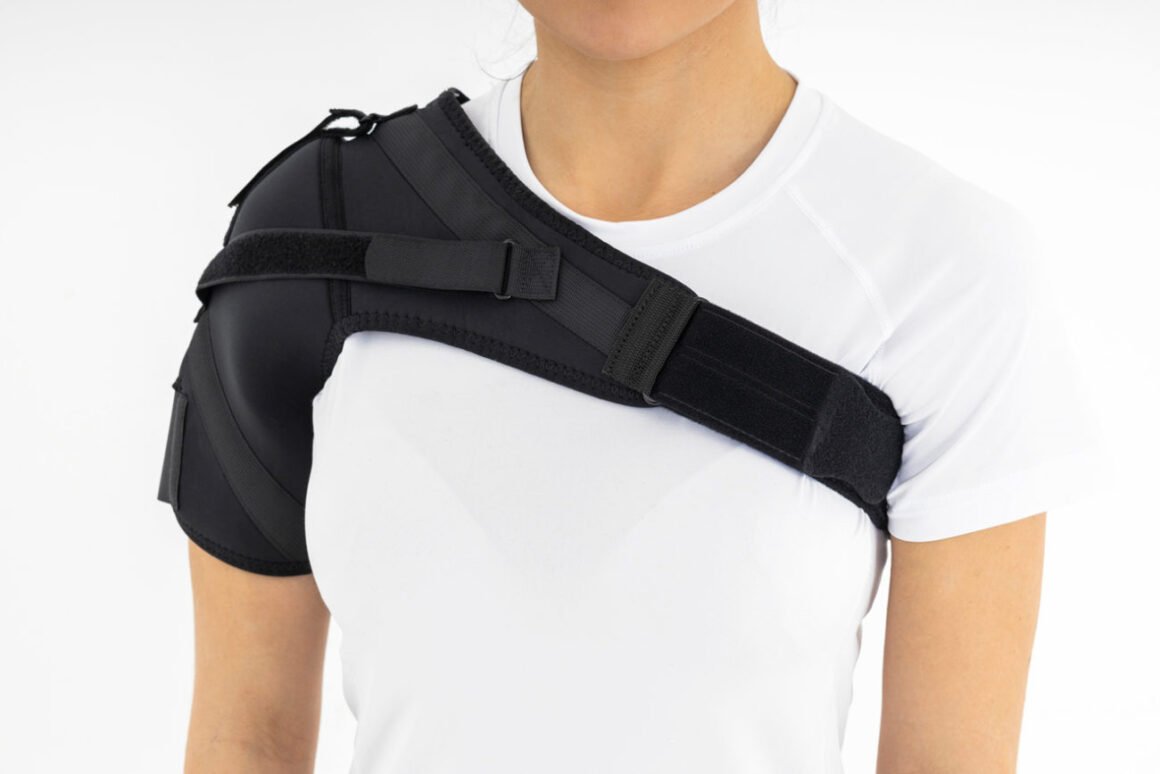
Shoulder Stability Braces
Designed for people with recurring dislocations or chronic instability, these braces restrict specific movements while allowing others. They’re brilliant for returning to sport after injury.
Compression Shoulder Supports
These lightweight options provide mild support and warmth, improving blood flow to the area. They’re ideal for minor strains, muscle soreness, or general discomfort.
Posture Corrector Braces
Poor posture can contribute to shoulder pain. These braces gently pull your shoulders back, training your muscles to maintain proper alignment throughout the day.
Rotator Cuff Braces
Specifically designed to support the rotator cuff muscles, these braces are perfect for tendinitis, minor tears, or post-rehabilitation maintenance.
What Type Of Shoulder Brace Is Best For My Injury?
Best Shoulder Brace For Dislocated Shoulder
After a dislocation, you’ll typically need an immobiliser first, followed by a stability brace as you progress. Look for options with adjustable straps that limit external rotation—the movement most likely to cause re-dislocation.
Best Shoulder Brace For Rotator Cuff Injury
A compression support with targeted padding works well for minor rotator cuff issues. For more serious injuries, consider a brace that supports the arm’s weight, reducing strain on damaged tissues.
Best Shoulder Brace For Arthritis Pain
Compression sleeves that provide warmth and gentle support are typically most comfortable for arthritis sufferers. Avoid anything too restrictive, as maintaining mobility helps manage arthritic conditions.
Best Shoulder Brace For Sports And Exercise
Sports-specific braces offer support without limiting athletic performance. Look for breathable materials and secure fastenings that won’t slip during movement. Many athletes prefer neoprene options for their durability and flexibility.
Key Features To Look For When Buying A Shoulder Brace
Material And Breathability
Neoprene offers excellent support and warmth but can get sweaty. Breathable mesh fabrics are more comfortable for extended wear. Consider when and where you’ll wear your brace most often.
Adjustability And Comfort
Multiple adjustment points allow you to fine-tune your fit. Padded straps prevent digging and discomfort, particularly important if you’ll wear the brace for long periods.
Level Of Support And Compression
Match the support level to your needs. Mild compression suits minor issues; rigid braces are necessary for serious injuries or post-surgery recovery.
Ease of Use
Can you put it on single-handedly? This matters enormously when one shoulder is injured. Velcro closures are generally easier to manage than buckles or clips.
Should I Wear A Shoulder Brace All Day?
This depends entirely on your specific situation and your healthcare provider’s recommendations. Generally, wearing a brace all day isn’t necessary for minor issues. For post-surgical recovery, however, you might need near-constant wear initially.
Listen to your body. If you notice increased pain, numbness, or skin irritation, take breaks. Most people benefit from wearing their brace during activities that aggravate their condition while resting their shoulder brace-free when comfortable.
Can I Sleep In A Shoulder Brace?
Some conditions require overnight bracing, particularly after surgery or acute injury. Immobilisers are specifically designed for this purpose. However, sleeping in a compression sleeve or stability brace usually isn’t necessary unless your physiotherapist recommends it.
If you do sleep in a brace, make sure it’s not too tight and won’t shift into an uncomfortable position. Pillows can help support your arm and maintain proper alignment throughout the night.
How Long Should You Wear A Shoulder Brace?
Recovery timelines vary dramatically depending on your injury. Minor strains might only require a few weeks of support. Post-surgical patients often wear immobilisers for 4-6 weeks before transitioning to lighter support.
The key is following your healthcare provider’s guidance and gradually reducing brace use as your shoulder strengthens. Becoming dependent on a brace can actually weaken supporting muscles, so proper rehabilitation exercises are essential.
When To See A Physiotherapist Or Doctor
Don’t try to self-diagnose serious shoulder problems. Seek professional help if you experience:
- Severe pain or swelling
- Inability to move your shoulder
- Visible deformity
- Pain that doesn’t improve after a few weeks
- Numbness or tingling in your arm
A physiotherapist can assess your condition, recommend appropriate bracing, and create a rehabilitation programme tailored to your needs. Many Australians find that combining professional guidance with the right shoulder brace speeds up their recovery significantly.
Conclusion: Making The Right Choice For Your Recovery
Choosing the right shoulder braces comes down to understanding your specific condition, selecting the appropriate type of support, and ensuring a proper fit. We’ve covered the main types of braces—from immobilisers for acute injuries to compression sleeves for mild discomfort—and matched them to common shoulder problems.
Remember, the best shoulder brace is one that addresses your particular needs while remaining comfortable enough for regular use. Don’t skimp on quality, take time to measure correctly, and pay attention to features like breathability and adjustability. These details make all the difference during recovery.
Most importantly, view your shoulder braces as one part of your recovery toolkit, not a magic solution. Combine it with appropriate rest, physiotherapy exercises, and professional guidance when needed. Your shoulder will thank you for taking the time to make an informed choice. Here’s to a speedy recovery and getting back to the activities you love!