Looking for a wheelchair power assist that really makes a difference? In this guide I’ll break down the top options for 2026, show you how to match a kit to your lifestyle, and walk you through funding, rentals and maintenance so you can boost your mobility without the hassle.
What Is A Wheelchair Power Assist And How Does It Work?
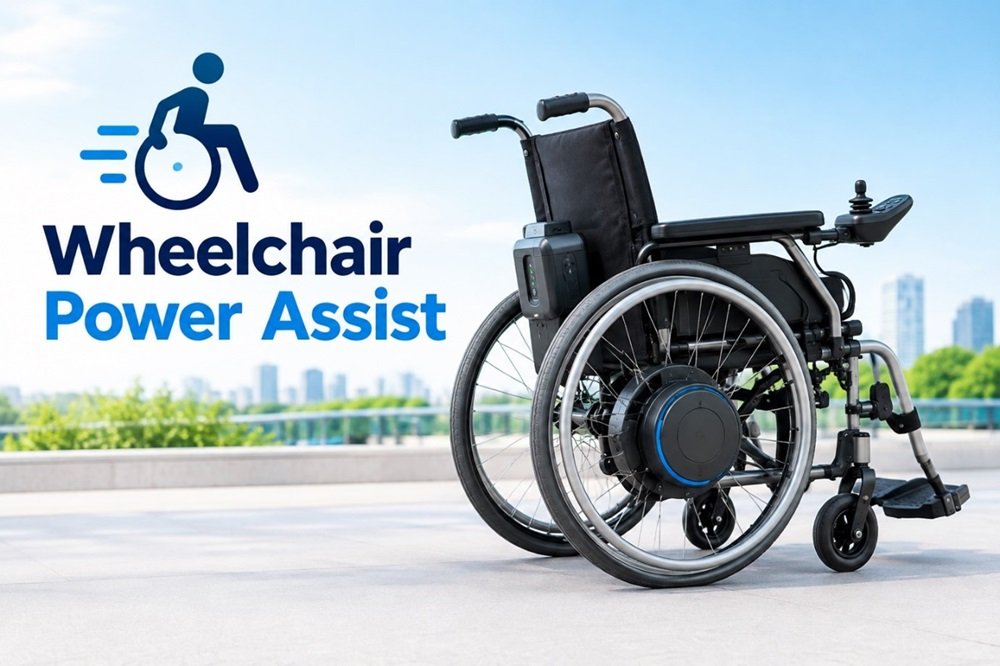
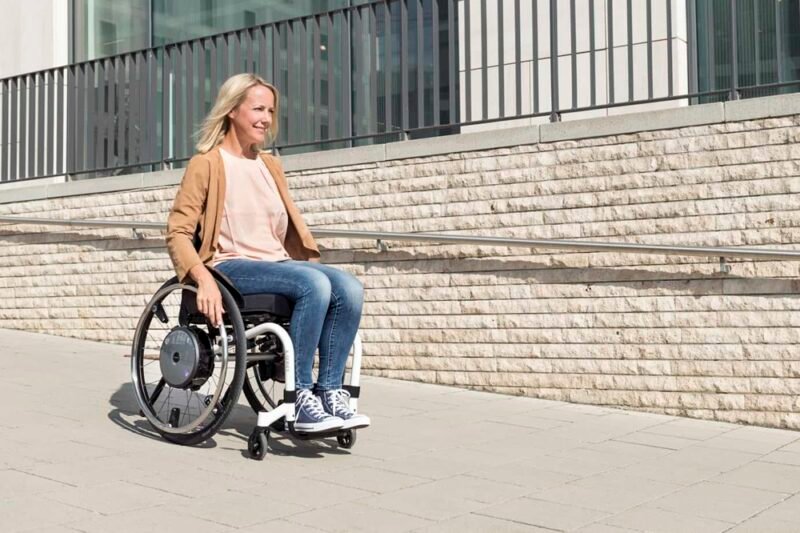
A wheelchair power assist is an add‑on kit that gives a manual chair a burst of electric thrust when you need it. From what I’ve seen, the system sits between the wheels & the frame, using a compact motor and a battery pack you can mount under the seat. The sensor detects your push and adds power, so you glide over ramps & long corridors with far less effort.
- Motor unit – usually 250‑500 W, high‑torque for hill climbs.
- Battery – lithium‑ion, 12 V or 24 V, detachable for charging.
- Control module – handles push‑sensing & speed limits.
- Mounting brackets – designed for standard 24‑inch wheelchairs.
And the best part? You can install it yourself or have a local mobility shop do it in a couple of hours. No need to buy a whole new electric chair unless you want to.
Key Features To Look For In 2026 Models —
When you’re shopping for a wheelchair power assist, don’t get distracted by flashy marketing. Focus on the specs that actually matter on the ground.
- Torque rating – at least 70 Nm for Australian suburbs with steep streets.
- Battery range – 20 km minimum on a single charge for a typical day’s use.
- Weight – under 4 kg so it doesn’t tip the chair’s balance.
- Water‑resistance – IP‑X4 or better for rainy Melbourne mornings.
But there’s more than raw numbers. The system should integrate with your wheelchair’s existing brakes & be easy to remove when you need to fold the chair for transport.
Motor And Torque Considerations
In my experience a motor with a 250 W continuous rating & a peak of 500 W handles most city streets. If you live near the Blue Mountains or the Gold Coast hinterland look for a 350 W motor to tackle steep gradients without bogging down.
Battery Life And Replacement
Battery technology has moved on fast. In 2026 the standard is a 12 Ah lithium‑ion pack that can be swapped in under five minutes — Most Australian suppliers carry a replacement service that ships within 48 hours to Sydney’s CBD or Perth’s suburbs.
Top Picks For Different Needs
Now let’s cut to the chase and list the kits that consistently out‑perform the competition across the country.
Best For Seniors In Sydney And Melbourne…
For older users who need reliable, low‑maintenance assistance, the MobilityMate 250 Is a solid choice. Like, it’s lightweight, has a 24 v battery, and the control module offers a “soft‑start” mode that eases the initial push.
- Torque: 75 Nm.
- Range: up to 22 km per charge.
- Warranty: 3 years on motor, 2 years on battery.
- Fit: works on most standard 24‑inch manual chairs.
And the kit comes with a quick‑release seat‑tube adapter, so you can switch it on and off without tools.
Best For Active Users In Brisbane
If you’re hitting the riverfront promenade or the Brisbane Botanic Gardens, the PowerStride X400 Gives you the punch you need. Its dual‑motor design delivers 400 W continuous power, and the battery is positioned low to keep the centre of gravity stable.
- Torque: 90 Nm.
- Range: 30 km on mixed terrain.
- Water‑resistance: IP‑X6, perfect for wet summer days.
- Extra: built‑in LED indicator for battery health.
But remember, the X400 is a bit heavier at 4.5 kg, so you’ll want a sturdy chair frame.
Best Budget‑Friendly Option For Regional Queensland
For those in Toowoomba or Mackay who need a reliable kit without breaking the bank, the EcoAssist 200 Hits the sweet spot. I mean, it’s a single‑motor unit, easy to install, and the battery lasts 18 km – enough for a typical farm‑to‑town run.
- Torque: 65 Nm.
- Range: 18 km.
- Weight: 3.2 kg.
- Support: local dealer network in Rockhampton and Townsville.
And the kit includes a simple wiring harness that even a DIY enthusiast can connect in under an hour.
How To Get Ndis Wheelchair Funding For A Power Assist…
Most Australians think NDIS only covers full electric chairs, but the scheme also funds conversion kits when you meet the functional needs criteria.
- Step 1: Obtain a physiotherapy report that states you need assistance with propulsion.
- Step 2: Submit a “Assistive Technology” request through the NDIS portal.
- Step 3: Choose a registered supplier – many are listed on the NDIS provider directory.
- Step 4: Once approved, the NDIS will cover up to 100 % of the kit cost.
Honestly, the paperwork can feel like a maze, but the payoff is huge. I’ve seen clients in Adelaide get funding within six weeks when they had the right documentation.
Rental And Trial Options Across Australia
Not ready to commit? Several companies let you try a wheelchair power assist before you buy. Um, this is great for seasonal work or for testing in different climates.
- Sydney Wheelchair Hire – offers a 7‑day trial of the MobilityMate 250.
- Melbourne Mobility Solutions – weekly rentals of the PowerStride X400 for event staff.
- Brisbane Assistive Tech – weekend rentals for the EcoAssist 200.
- Perth Accessible Rentals – long‑term leases with battery swap service.
And most rentals include a free safety check & a brief tutorial from a qualified technician.
Maintenance Battery Replacement & Service Networks
Keeping your wheelchair power assist in top shape is easier than you think, provided you follow a simple routine.
- Monthly: check the motor cables for wear and tighten any loose bolts.
- Quarterly: fully charge & discharge the battery to calibrate the management system.
- Annually: have a certified service centre inspect the motor bearings.
- Replacement: most Australian suppliers stock the 12 Ah pack and can ship it within two business days.
But if you live in a remote area like Alice Springs, look for providers that offer a “mobile service van” – several companies now travel to regional centres for on‑site repairs.
Conclusion
Choosing the right wheelchair power assist in Australia 2026 boils down to matching torque, battery range and durability to your everyday routes. From senior‑friendly kits in Sydney and Melbourne to rugged models for Brisbane’s active scene, the market offers a solid range of options. See, remember to use ndis funding, explore rental trials, and keep up with regular maintenance to get the most out of your investment — With the right assist, you’ll glide through city streets, suburban lanes and even the occasional hill without breaking a sweat.