Choosing the right pest control service in Clayton is about more than just a quick fix; it’s about a long‑term partnership that keeps your home or business pest‑free through hot summers and rainy winters. In this guide I’ll walk you through five proven secrets, from checking licensing to understanding local ant trails, so you know exactly what to look for when you call a Sydney pest exterminator or a local NSW pest control provider.
1. Look, Local Knowledge Beats Generic Solutions
From what I’ve seen, the biggest mistake homeowners make is hiring a national chain that doesn’t understand Clayton’s unique micro‑climate. Like, our suburb sits on a mix of old terrace houses & newer low‑rise apartments, many with brick walls that develop tiny cracks during the summer heat. Those cracks are perfect entry points for termites, ants, and cockroaches. A local pest control crew will have a map of the most problematic streets—like the area around Victoria Road where moisture see borderline high.
- Brick veneer homes often need sealant around windows.
- Low‑rise complexes have communal drainage that can harbor water‑bugs.
- Older timber floors are prime termite territory.
In my experience, a company that has done at least a dozen Clayton termite inspections will know exactly which product to apply without over‑treating. They’ll also be familiar with the city council’s pest‑management guidelines, which differ from those in Melbourne pest management circles.
2. Here’s The Thing: Identify The Pests You’re Dealing With
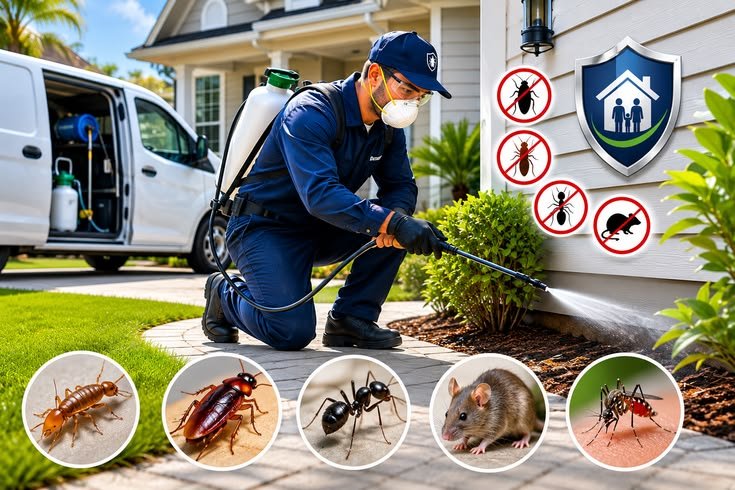
What typically happens is that people call a pest control service after seeing a single ant on the kitchen counter, only to discover a whole colony hidden behind the kitchen wall. In Clayton, the most common offenders are:
- Carpenter ants that love the damp timber in older homes.
- German cockroaches, especially in high‑traffic rental units.
- Termites, both dry‑wood and subterranean, thanks to the high water table.
- Spiders, particularly the redback, which thrive in garden mulch.
Each pest requires a different approach. For ants, a baiting system placed near entry points works best — Cockroaches demand a combination of gel baits and residual sprays in kitchen cracks. Termites need a professional inspection followed by a barrier treatment or bait stations, depending on the infestation level.
Ant Management in Kitchen Areas —
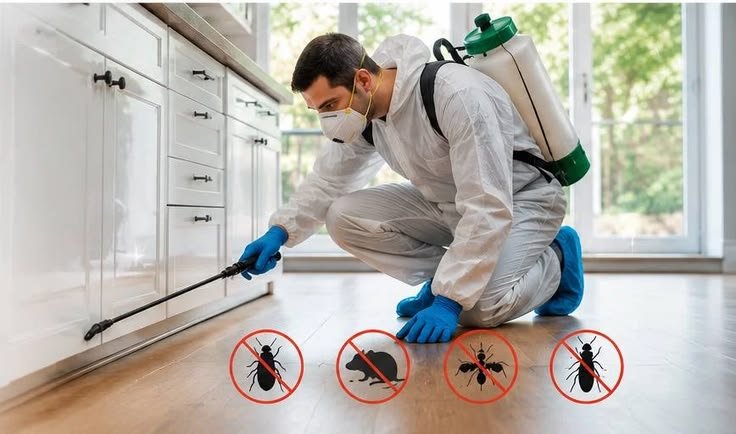
From what I’ve seen, the key to ant control is sanitation combined with targeted baits — In a typical Clayton kitchen, you’ll find food crumbs around the stove and under the sink. A local pest control team will:
- Remove food sources & seal gaps around cabinets.
- Place sugar‑based baits near ant trails.
- Monitor and replace baits weekly for 3 weeks.
Cockroach Hotspots in Rental Properties
In my experience, cockroach infestations in multi‑unit buildings usually start in the bathroom & spread through shared plumbing. You know? A good sydney pest exterminator will:
- Inspect all concealed spaces behind appliances.
- Apply a low‑toxicity gel in cracks and crevices.
- Use a residual spray in high‑traffic corridors.
3. Verify Licensing and Insurance
The thing is, not every company that says “pest control” is actually qualified. NSW pest control licensing is strict, and you’ll see the licence number on their website or on a business card. Look for the following:
- Valid NSW pest control licence (check the number on the NSW Environment Protection Authority site).
- Public liability insurance covering damage during treatment.
- Proof of ongoing training in Australian pest control regulations.
Honestly, if a provider can’t show you this paperwork on the spot, walk away. Here’s the thing: it’s a red flag that they might be cutting corners, which could leave you with a recurring problem.
4 — Ask About Integrated Pest Management (IPM) Practices
IPM is the gold standard for modern pest control, & it’s especially important in a suburb like Clayton where you have a mix of residential and commercial properties. IPM means the provider will:
- Identify the pest species and assess the severity.
- Use non‑chemical methods first—like sealing entry points.
- Apply chemicals only when necessary & in the smallest effective dose.
What typically happens is that an IPM‑focused company will give you a written plan that outlines each step, from inspection to follow‑up — This transparency builds trust and ensures you know exactly what’s being applied in your home.
Non‑Chemical Techniques
In my experience, the most effective non‑chemical methods for Clayton include:
- Installing door sweeps on all exterior doors.
- Using steel mesh on vent openings to block rodents.
- Applying diatomaceous earth in garden beds to deter beetles.
5. Review Follow‑Up and Guarantee Policies
One of the biggest gaps in competitor offerings is the lack of a solid guarantee. A reputable pest control service will stand behind their work with a written guarantee that covers re‑treatment within a set period—usually 30 to 90 days. Look for:
- Clear terms that specify which pests are covered.
- Free follow‑up inspections if the pest returns.
- Documentation of the treatment dates & products used.
Honestly, a guarantee shows the provider’s confidence in their method. Like, if they’re unwilling to put it in writing, you’re probably dealing with a short‑term fix rather than a long‑term solution.
Legal and Regulatory Checks —
Australian pest control regulations have tightened over the past few years, especially around the use of synthetic chemicals in residential areas. In 2026, the government introduced stricter labeling requirements for all insecticides. A compliant Clayton pest control firm will:
- Use products listed on the Australian Pesticides & Veterinary Medicines Authority (APVMA) register.
- Provide safety data sheets on request.
- Follow the NSW Environmental Protection Authority’s disposal guidelines for any waste.
From what I’ve seen the best providers keep a log of every treatment and share it with you after each visit. That record is useful if you ever need to prove compliance for a rental agreement or insurance claim.
Seasonal Strategies for 2026
Clayton’s climate swings from humid summers (average 22‑28°C) to cooler winters (average 8‑15°C). Pests behave differently across seasons, so a year‑round plan is essential. Here’s a quick seasonal checklist:
- Summer: Focus on ant & cockroach bait stations; inspect for termite activity after heavy rains.
- Autumn: Seal cracks before the first frost; treat garden borders for spider activity.
- Winter: Reduce indoor humidity with dehumidifiers; monitor for rodent entry points.
- Spring: Conduct a thorough termite inspection; apply preventative barrier treatments.
In my experience, the most effective providers schedule quarterly visits that align with these seasonal shifts, ensuring pests never get a foothold.
Choosing the Right Provider – The 5‑Secret Checklist
Here’s what I tell people when they ask, “Which pest control company should I hire?” Use this five‑point checklist to compare any service in Clayton:
- Local Track Record: At least five years of service in the suburb with documented success stories.
- Licensing & Insurance: Visible licence number and proof of public liability coverage.
- IPM Commitment: Written plan that prioritises non‑chemical methods.
- Guarantee Terms: Clear, written guarantee covering re‑treatment.
- Seasonal Planning: A schedule that matches Clayton’s weather patterns.
When you cross‑check a provider against this list, the best ones will tick every box. Anything less is a gamble you can’t afford.
Conclusion
Choosing the best pest control in Clayton, Australia, isn’t a guesswork game. It’s about matching a licensed, locally‑experienced team with a clear ipm plan, a solid guarantee, and a seasonal strategy that fits our climate. By focusing on local knowledge, proper licensing, and a transparent treatment roadmap, you’ll keep ants, cockroaches, termites, and other pests at bay without unnecessary chemicals or hidden costs — Use the five‑secret checklist to vet any provider, and you’ll have peace of mind knowing your home or business is protected all year round.