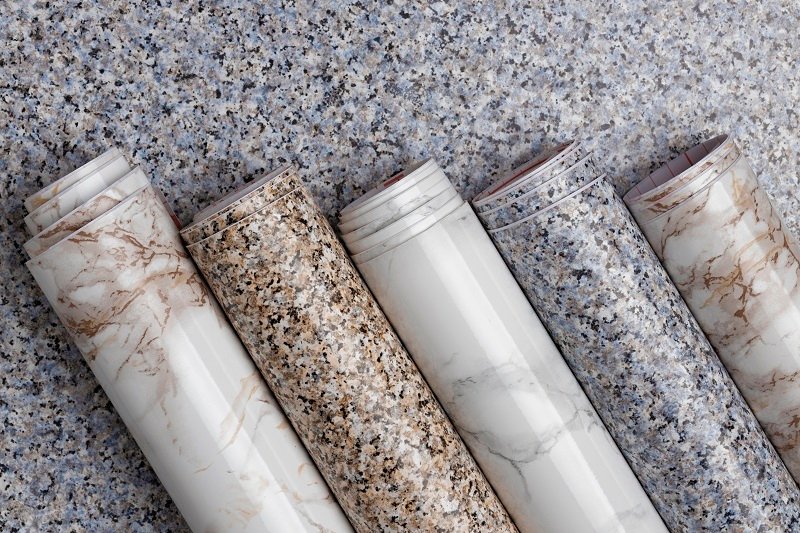
Carpet flooring Newcastle is the top way to add comfort, warmth and style to any home in the Hunter region, and this guide walks you through everything you need to know – from climate‑smart material choices to a step‑by‑step install, maintenance tips and how to pick a trustworthy local installer. Like, you’ll get the low‑down on wool versus synthetic, how to measure correctly, what padding works best for high‑traffic families, & why choosing a Newcastle‑based supplier matters for durability and resale value.
Understanding Newcastle’s Climate & Carpet Performance
From what I’ve seen the coastal breezes and occasional humidity spikes in Newcastle can be a hidden enemy for carpet if you don’t plan ahead the city’s summer temps hover around 28 °C while winter stays mild but the sea‑salt air can settle on floors especially in suburbs like Merewether and Cooks Hill where homes often have large windows that moisture can encourage mould in the backing if the carpet isn’t breathable.
- Choose carpets with a moisture‑resistant backing –many Australian manufacturers rate them “NSW‑approved”.
- Look for a good underlay that includes a vapor barrier; it adds a few millimetres of protection.
- Ventilate rooms after showering or cooking to keep relative humidity under 70 %.
In my experience, homes with a concrete slab sub‑floor benefit from a thin, closed‑cell foam underlay, while timber floors in older Cooks Hill terraces need a more robust, breathable pad to prevent moisture trapping. The thing is, ignoring this step can cut the carpet’s life in half.
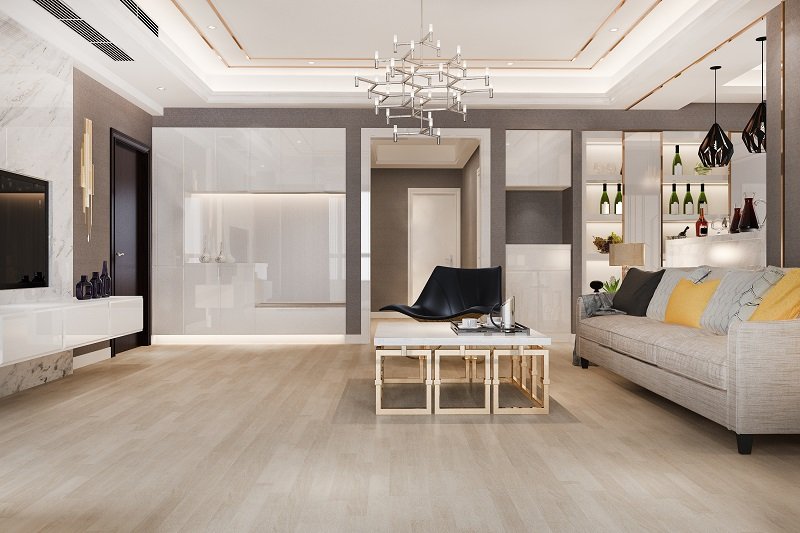
Choosing the Right Carpet Type for Your Home
Wool Carpets – Natural Comfort and Longevity
Wool is a classic favourite in Australian homes, and for good reason. It’s naturally flame‑retardant, resists crushing and feels soft underfoot, which is perfect for family rooms in suburbs like Lambton. Wool also absorbs sound, helping to dampen the echo in open‑plan layouts common in newer Newcastle builds.
- Ideal for low‑traffic bedrooms and formal living areas.
- Provides natural insulation – helps keep rooms warmer in winter.
- Eco‑friendly if sourced from Australian farms, reducing carbon footprint.
Synthetic Carpets Durability and Stain Resistance
Synthetic fibres such as nylon and polyester have come a long way. Nylon blends are stain‑resistant, quick‑drying & can handle high‑traffic zones like hallways and stairs in Charlestown homes. They’re also less prone to attracting dust mites, which is a win for allergy sufferers.
- Great for pets – many brands offer a “pet‑proof” coating.
- Available in a wide range of colours, from muted greys to bold reds that suit Newcastle’s coastal vibe.
- Typically cheaper than wool, making them a popular choice for rental properties.
Hybrid Carpets The Best of Both Worlds
Hybrid carpets combine a wool face with a synthetic backing giving you the plush feel of wool plus the durability of nylon. Here’s the thing: they’re especially useful in homes where you want a luxury look in the master bedroom but need the hard‑wear performance for a kids’ playroom.
- Often come with a “stain‑guard” treatment that lasts up to five years.
- Can be installed over existing flooring, reducing labour time.
- Provides a balanced thermal performance stays cool in summer warm in winter.
Measuring and Estimating Materials…
Accurate measurement is the foundation of a successful carpet job. Start by measuring each room’s length and width, then add 10 % extra for pattern matching and waste. For irregular spaces, like the angled wall in a Cooks Hill boutique home, break the room into rectangles & triangles, calculate each area & sum them up.
- Use a laser distance measurer for speed and precision.
- Record measurements on a spreadsheet – it helps when you compare quotes from different Newcastle carpet installers.
- Don’t forget to measure staircases separately; each tread and riser needs its own piece.
When you’ve got the total square metres, factor in padding most installers recommend a 2‑mm thick pad for living rooms & a 3‑mm pad for bedrooms for extra comfort. The padding itself adds about 0.5 m² per m² of carpet, so include that in your material list.
Installation Process Step‑by‑Step
1. Sub‑floor Preparation…
First, clear the room of furniture & old flooring. A clean, level sub‑floor is non. In older terraced houses, you’ll often find uneven timber joists a simple sanding and filling with a floor‑leveling compound does the trick.
- Check for any squeaks; tighten joists before laying padding.
- Vacuum the surface to remove dust that could affect adhesive bonding.
- Apply a moisture‑barrier membrane if the sub‑floor is concrete.
2. Laying the Underlay
Roll out the underlay, cutting it to fit the room’s shape. Overlap the seams by at least 5 cm and seal with a low‑VOC tape to keep the barrier continuous.
- Use a utility knife for clean cuts a straight edge helps.
- Secure the underlay with staples or double‑sided tape to prevent shifting.
- Leave a 10 mm expansion gap around walls for movement.
3. Padding Selection
Pick a padding that matches the carpet’s intended use. See, a dense, high‑compression pad works best under heavy furniture in a living room, while a softer pad adds comfort under a bed in a bedroom.
- Check the R‑value higher numbers mean better under.
- Make sure the padding is fire‑rated for NSW building codes.
- Consider a “low‑pile” option for wheelchair access in ageing‑in‑place homes.
4. Laying the Carpet…
Start at the longest wall and unroll the carpet allowing it to relax for at least 30 minutes. This helps the fibres settle and reduces wrinkling. Use a knee‑kick & a carpet stretcher to pull the carpet tight then staple or tack it down along the perimeter.
- Stagger seams by at least 30 cm for a natural look.
- Use a carpet seam tape and heat‑weld for a seamless finish in high‑traffic corridors.
- Trim excess with a sharp carpet cutter for a professional edge.
After the carpet is laid, walk the room to feel for any loose spots. A final vacuum removes any debris that may have settled during installation.
Maintenance, Cleaning, & Longevity
Keeping carpet flooring Newcastle looking fresh is all about regular care. Vacuum at least once a week with a high‑efficiency filter; this removes dust that can settle into the fibres and affect indoor air quality. Honestly, in homes with pets, a quick spot‑clean with a mild detergent prevents stains from setting.
- Use a steam cleaner every 6‑12 months many local cleaning services in Newcastle offer a “green” steam option.
- Apply a protective spray after deep cleaning to extend stain resistance.
- Rotate rugs and floor mat every few months to even out wear.
Stain removal tips: for wine, blot with a clean cloth and a mixture of cold water and a dash of white vinegar; for grease, sprinkle baking soda, let sit, then vacuum. The thing is, never rub aggressively – it can damage the pile and spread the stain.
Sustainable and Local Options
Australian homeowners are increasingly looking for eco‑friendly carpet solutions. Several Newcastle suppliers now stock carpets made from recycled PET bottles and sustainably harvested Australian wool. Ah these products carry a lower carbon footprint and often come with a “green” certification from the Australian green building council.
- Recycled‑content carpets can contain up to 70 % post‑consumer material.
- Wool sourced from accredited farms ensures ethical animal welfare.
- Many local manufacturers use water‑based adhesives, reducing VOC emissions.
Choosing a locally produced carpet also means shorter lead times and a smaller transport footprint In suburbs like Mayfield and Dudley you’ll find showrooms that let you feel the fibre before you buy which is a huge advantage over ordering online.
Selecting a Reliable Installer in Newcastle
When it comes to carpet install, not all Newcastle carpet installers are created equal. Look for companies that are members of the Australian Carpet and Floor Covering Association (ACFCA) they follow a code of practice & provide a written warranty that covers both material and labour.
- Verify that the installer holds appropriate insurance for NSW.
- Ask for references from recent projects in suburbs like Kotare or Torralba.
- Check that they follow the NSW fire rating requirements for residential carpet.
In my experience, a good installer will also offer a post‑install inspection after 30 days to address any issues like loose seams or uneven padding That follow‑up is a sign of professionalism and makes sure you’re covered if the carpet shifts.
Impact on Home Value and Resale
Carpet flooring Newcastle can boost your property’s resale value, especially in family‑friendly neighbourhoods where comfort and sound insulation matter. A well‑installed carpet in a living room can add up to 5 % to the perceived value in the Newcastle real‑estate market, according to recent agent surveys.
- Homebuyers often look for low‑maintenance solutions a high‑quality carpet with a stain‑guard fits the bill.
- Sound absorbing carpet can make a house feel more private a selling point for properties near busy streets like the Pacific Highway.
- Properly documented installation & warranties give buyers confidence in the home’s condition.
Conclusion
Choosing the right carpet flooring Newcastle options is about matching material to climate, lifestyle and budget without cutting corners on quality. From wool’s natural warmth to synthetic’s rugged durability, you have options that suit everything from a seaside cottage in Redhead to a bustling family home in Mayfield. Measure carefully, pick a qualified local installer, and keep up with regular cleaning to enjoy a carpet that lasts for years. Follow the steps outlined here, and you’ll transform your home with a floor that feels as good as it looks – all while staying smart about sustainability and resale value.