Imagine waking up in 2026 to a home that feels less like a building and more like a trusted companion. Your curtains glide open as the sun rises, the thermostat adjusts to your preferred morning warmth, and the coffee machine brews your favorite blend—without you lifting a finger. This isn’t science fiction anymore. It’s the reality of AI-powered homes, and 2026 marks a turning point in how we live, work, and interact with our spaces.
From Smart to Truly Intelligent
For years, “smart homes” meant being able to control lights or appliances with a smartphone app. Convenient, yes, but not truly transformative. In 2026, homes are evolving beyond simple automation into intuitive living environments. Artificial intelligence now enables houses to learn from our routines, anticipate our needs, and even make decisions on our behalf.
Instead of asking Alexa to dim the lights, your home already knows you prefer softer lighting after 9 p.m. Instead of programming the washing machine, it schedules laundry cycles when energy costs are lowest. The leap from reactive to proactive technology is what makes AI-powered homes revolutionary.
The Backbone: Smarter Standards & Local AI
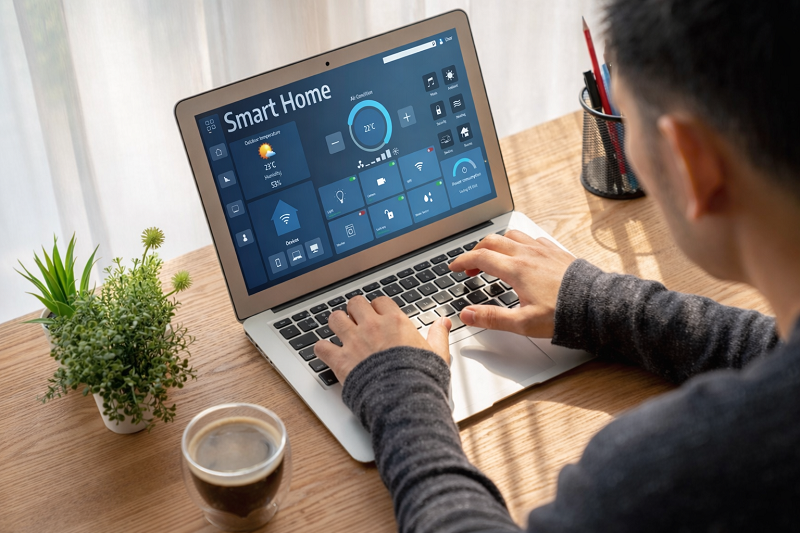
One of the biggest breakthroughs in 2026 is the rise of local AI hubs. Unlike earlier systems that relied heavily on cloud processing, homes now feature localized AI engines that process data securely within the house. This means faster responses, reduced dependence on internet connectivity, and greater privacy.
Standards like Matter 1.3 have also matured, ensuring seamless interoperability between devices from different brands. Gone are the days of juggling multiple apps for lights, locks, and appliances. Everything now speaks the same language, creating a unified ecosystem that feels reliable and secure.
Everyday Life, Reimagined
AI-powered homes in 2026 are not just about convenience—they’re about reshaping daily life.
- Morning routines: Your home gently wakes you with circadian lighting, adjusts the shower temperature, and queues up your favorite news podcast.
- Cooking made effortless: AI ovens optimize cooking times, while refrigerators track groceries and suggest recipes based on what’s inside.
- Energy efficiency: AI monitors consumption patterns, automatically shifting heavy appliance use to off-peak hours, lowering bills and reducing environmental impact.
- Health & wellness: Air quality sensors detect allergens, while smart lighting supports better sleep cycles.
The result is a home that doesn’t just serve you—it cares for you.
Security That Thinks Ahead
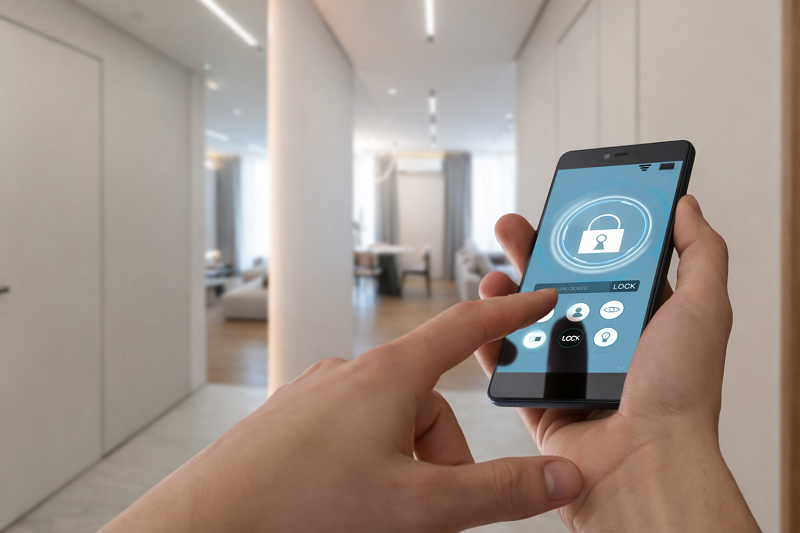
Security has always been a cornerstone of smart home adoption, and in 2026, AI takes it to the next level. Homes now feature predictive security systems that analyze patterns to detect unusual activity before it becomes a threat.
For example, if your front door opens at an odd hour, the system doesn’t just alert you—it cross-checks with your calendar, location data, and household routines to determine whether it’s suspicious. This proactive approach makes homes safer without overwhelming residents with false alarms.
The Human Touch: Personalization
Perhaps the most exciting aspect of AI-powered homes is personalization. Every household member can enjoy a tailored experience.
- Kids get homework-friendly lighting and reminders for bedtime.
- Adults benefit from personalized climate control and entertainment suggestions.
- Elderly residents receive health monitoring and gentle reminders for medication.
The home becomes a living partner, adapting to each person’s lifestyle rather than forcing everyone into a one-size-fits-all system.
Challenges & Considerations
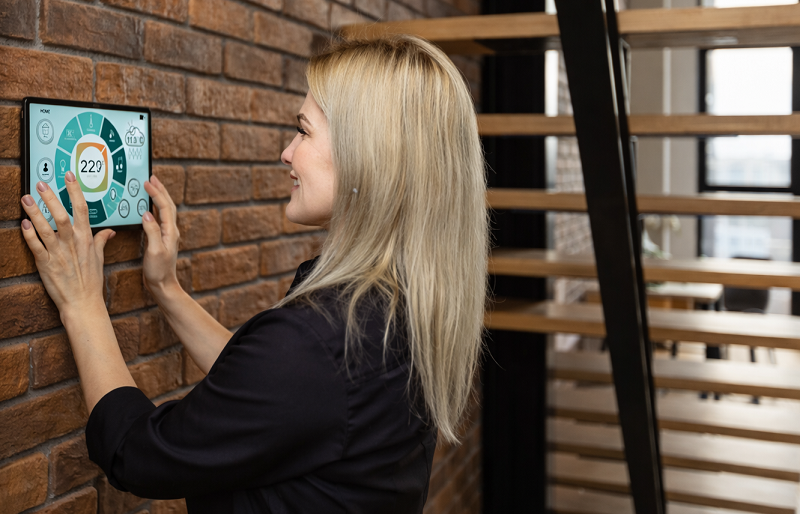
Of course, with great innovation comes responsibility. AI-powered homes raise important questions:
- Privacy: Even with local AI hubs, data security remains a concern. How much should your home know about you?
- Cost: While prices are dropping, fully integrated AI systems are still a significant investment.
- Learning curve: Not everyone is comfortable with technology that makes autonomous decisions.
Manufacturers are working hard to address these concerns, emphasizing transparency, affordability, and user control.
Looking Ahead
The rise of AI-powered homes in 2026 is not just about gadgets—it’s about redefining the relationship between people and their living spaces. Homes are becoming empathetic environments, capable of supporting our health, protecting our families, and simplifying our routines.
As adoption grows, we may soon wonder how we ever lived without homes that could think, adapt, and care.