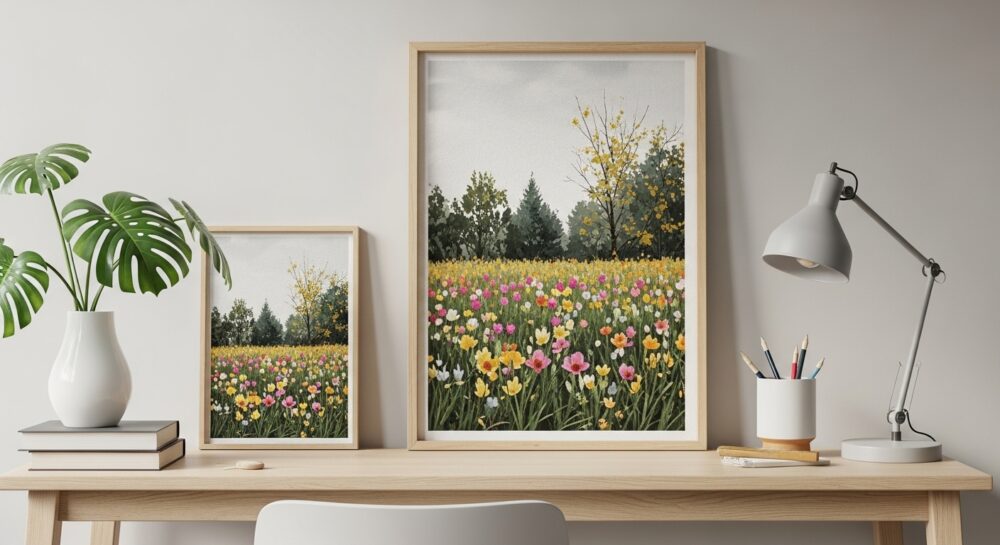
Photographs capture moments we never want to forget. From family celebrations and travel memories to artwork and professional photography, images tell stories that deserve to be displayed beautifully. However, many people unknowingly make mistakes when framing photos. Poor framing choices can distract from the image, damage the photograph over time, or simply fail to complement the space where the frame is displayed.
In this guide, we’ll explore common photo framing mistakes, explain better framing techniques, and share practical tips that will help you display your photos like a design expert.
Why Proper Photo Framing Matters
Framing a photo may seem like a simple task, but the way a photograph is framed can significantly affect how it looks and how long it lasts.
A well-chosen frame does several important things:
- Protects the photograph from dust, moisture, and sunlight
- Enhances the visual appeal of the image
- Matches the style of the room where it is displayed
- Helps the photo stand out without overwhelming it
On the other hand, poor framing can cause fading, discoloration, and visual imbalance.
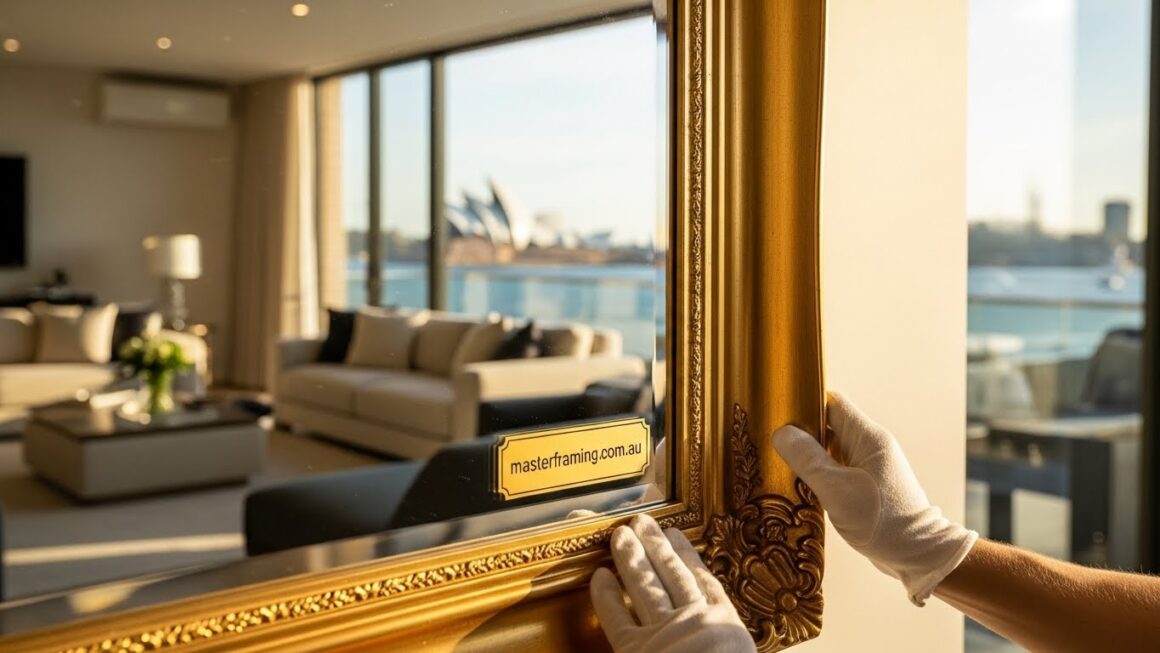
Professional picture framing services Sydney residents rely on understand how materials, spacing, and frame design influence the final presentation.
The Most Common Photo Framing Mistakes
Before learning the better way to frame photos, it helps to understand the mistakes that many people make.
Choosing the Wrong Frame Size
One of the most common mistakes is selecting a frame that is too small or too large for the photo.
When a frame is too small, the image feels cramped. When it’s too large, the photo can look lost inside the frame.
Using proper matting and proportional framing creates balance and ensures the photograph remains the center of attention.
Ignoring Mat Boards
Many people skip mat boards entirely when framing photos. However, mats play an important role in presentation and protection.
Mat boards:
- Create visual breathing space around the photo
- Prevent the photo from touching the glass
- Add depth and elegance to the frame
Without a mat board, photographs can stick to glass over time due to humidity, which can damage the print.
Using Low-Quality Materials
Cheap frames and low-quality glass may seem like a budget-friendly option, but they often lead to long-term problems.
Low-quality materials can:
- Cause discoloration or fading
- Warp over time
- Provide poor protection against UV light
Using archival-quality materials ensures the photo remains preserved for years.
The Better Way to Frame Photos
Now that we’ve covered the mistakes, let’s explore the smarter approach to framing photos.
Match the Frame to the Photo
The frame should highlight the photograph, not compete with it.
Consider the following:
- Black or neutral frames work well for modern photos
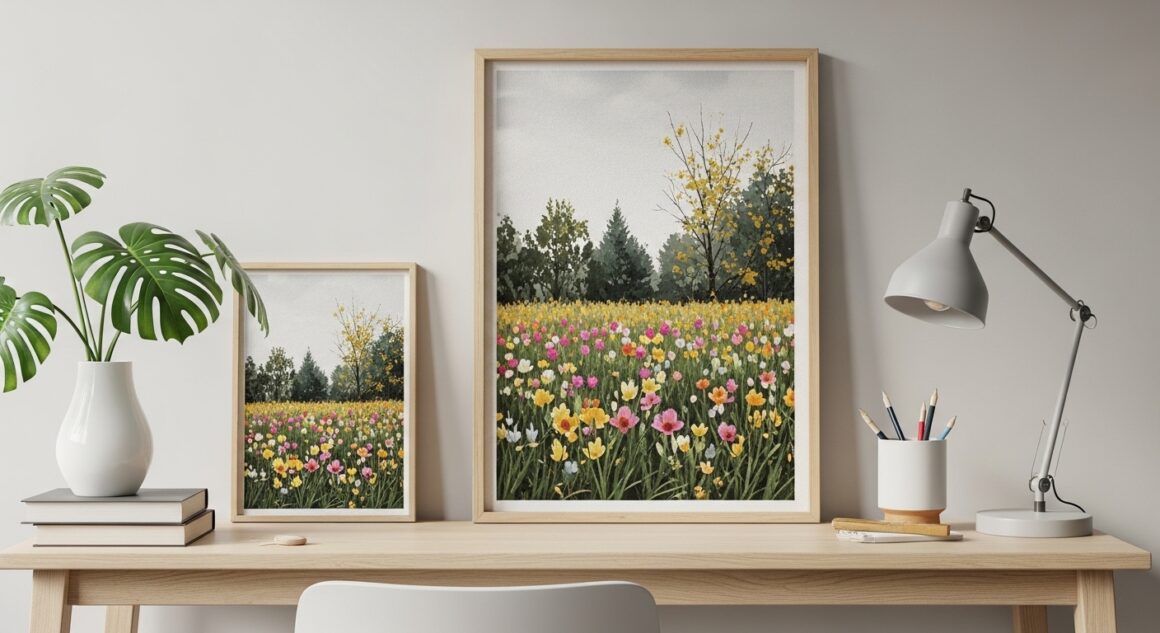
- Natural wood frames suit landscape and nature photography
- Metallic frames complement contemporary art and prints
The goal is to support the photo visually while maintaining harmony with the surrounding space.
Use High-Quality Matting
Mat boards are one of the simplest ways to elevate the look of framed photos.
Benefits include:
- Creating a gallery-style appearance
- Enhancing contrast around the image
- Protecting the photograph from glass contact
Professional framers often recommend neutral mat colors such as white, cream, or soft gray for most photographs.
Protect Photos with UV Glass
Sunlight can cause photographs to fade over time. UV-protective glass or acrylic reduces the amount of damaging light reaching the photo.
This is especially important for:
- Family photographs
- Limited edition prints
- Valuable artwork
Using protective materials helps preserve the image for generations.
Think About Wall Placement
The location of your framed photo plays a big role in how it should be framed.
For example:
- Large statement pieces work well in living rooms
- Smaller frames suit hallways or gallery walls
- Bright spaces require UV-protective glass
Professional picture framing services Sydney homeowners rely on often help clients select frames based on the environment where the artwork will be displayed.
Creative Framing Approaches for Modern Homes
Modern interior design has introduced many creative ways to display photographs and artwork.
One growing trend involves exploring modern photo framing ideas that combine minimal design with creative layouts.
These ideas can include:
- Floating frames that make the image appear suspended
- Oversized mats for dramatic presentation
- Gallery walls combining different frame styles
- Shadow box frames for three-dimensional displays
These techniques allow homeowners to showcase their photos while enhancing their interior design.
How Professional Framing Improves Results
While DIY framing can work for simple prints, professional framing provides several advantages.
Expert Advice
Professional framers understand:
- Which materials protect photographs best
- How frame styles influence presentation
- The correct proportions for matting and borders
This expertise helps avoid costly mistakes.
Custom Frame Design
Custom framing allows you to tailor every detail, including:
- Frame material
- Color and finish
- Mat board style
- Glass type
This level of customization ensures the final result matches both the photograph and your home décor.
Long-Term Preservation
High-quality framing protects photos from environmental damage.
Professional framing often includes:
- Acid-free materials
- Archival mounting techniques
- UV protection
These features ensure photos remain vibrant and intact for decades.
Tips for Creating a Gallery Wall
Gallery walls are a popular way to display multiple photos together. When done well, they create a stunning visual feature.
Here are some tips:
Plan the Layout First
Before hanging frames, arrange them on the floor to test different layouts.
This helps determine:
- Spacing between frames
- Overall shape of the arrangement
- Balance between frame sizes
Maintain Consistent Spacing
Consistent spacing between frames creates a clean and professional appearance.
Most designers recommend spacing frames about 5–8 cm apart.
Mix Frame Styles Carefully
Combining different frame styles can look stylish when done thoughtfully.
For example:
- Use a consistent color palette
- Mix materials like wood and metal
- Balance large frames with smaller ones
This approach adds visual interest while keeping the display cohesive.
Choosing Frames for Different Types of Photos
Not every photograph should be framed the same way. Different image types often benefit from different framing approaches.
Family Photos
Family photographs usually work best with simple, elegant frames that highlight the image.
Neutral frames and soft mat boards are often the best choice.
Travel Photography
Travel photos can be enhanced with frames that match the theme of the destination.
For example:
- Natural wood for nature landscapes
- Minimal black frames for city photography
Artwork and Prints
Artwork often benefits from custom framing that complements the artist’s style.
Large mats and quality frames can make artwork feel like a gallery display.
Why Photo Framing Is an Investment
Many people think of framing as an afterthought, but it plays a crucial role in preserving memories and artwork.
Quality framing:
- Protects valuable images
- Enhances home décor
- Increases the longevity of photographs
- Adds professional presentation
Because of this, investing in proper framing is worthwhile for any meaningful photograph or artwork.
Conclusion
Framing a photograph should never be an afterthought. The right frame protects your image, enhances its beauty, and allows it to become a meaningful part of your home.
Many people make simple mistakes when framing photos choosing the wrong frame size, ignoring mat boards, or using low-quality materials. By taking a smarter approach, you can transform ordinary photos into stunning visual displays.